♞
Deer Management
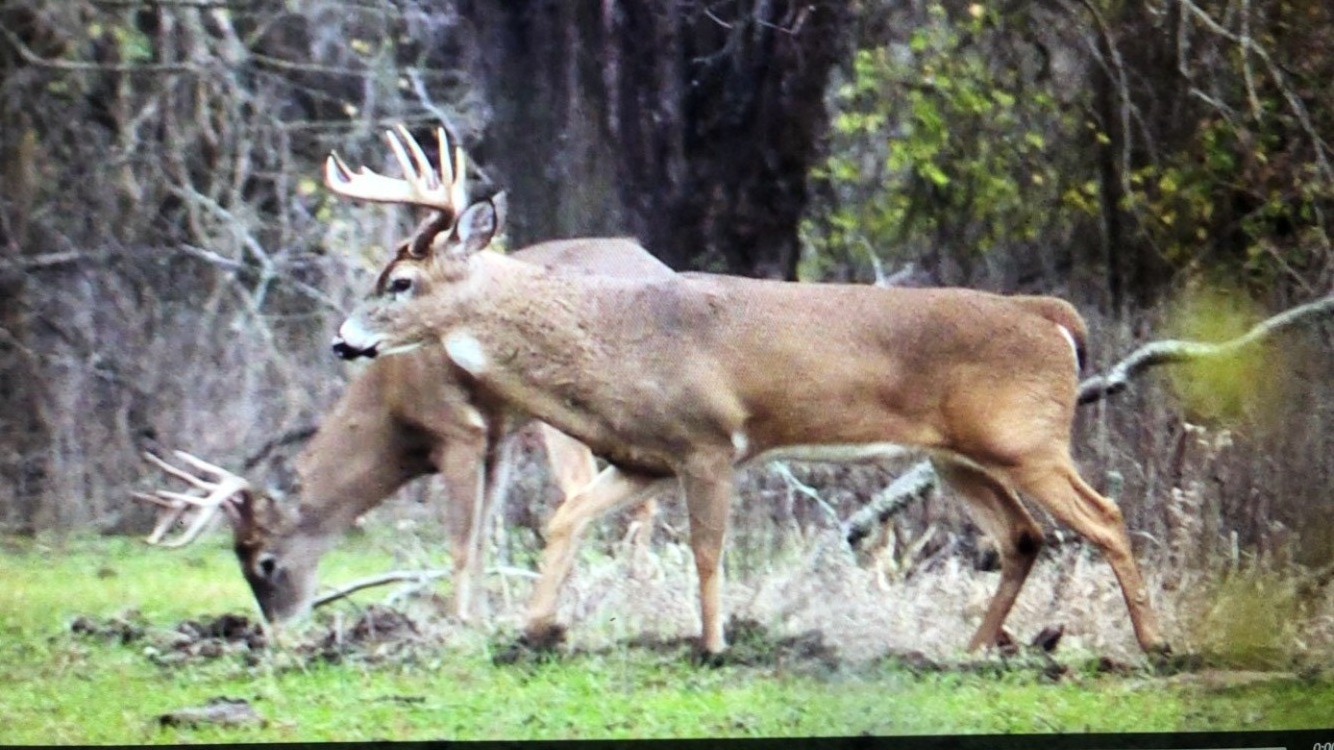
Strategic habitat and herd management plans designed to improve population health, age structure, nutrition, and property carrying capacity.
Learn More →ECOLOGY • LAND MANAGEMENT • WILDLIFE CONSULTING
Property-specific habitat and wildlife management for whitetail deer, wild turkey, and healthier ecosystems.
Our Services
Strategic habitat and herd management plans designed to improve population health, age structure, nutrition, and property carrying capacity.
Learn More →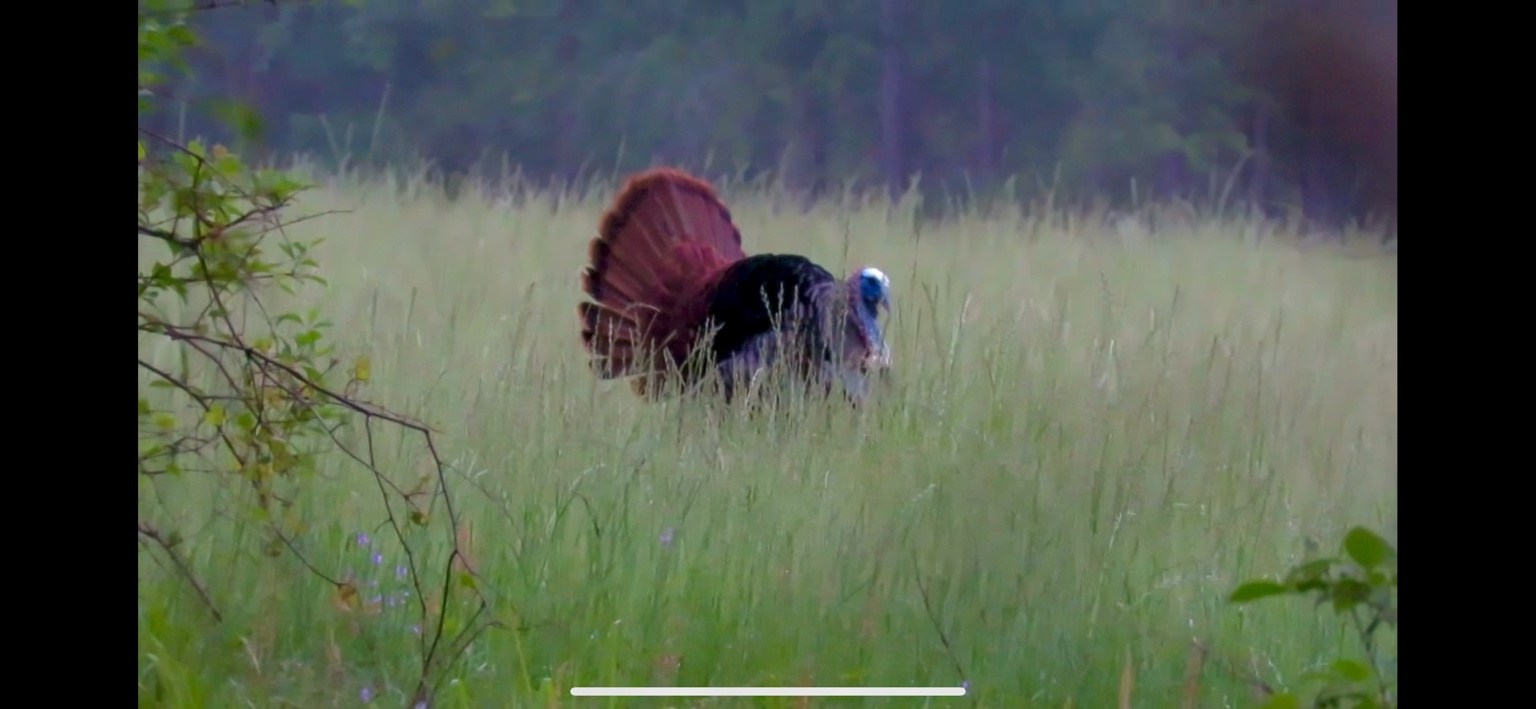
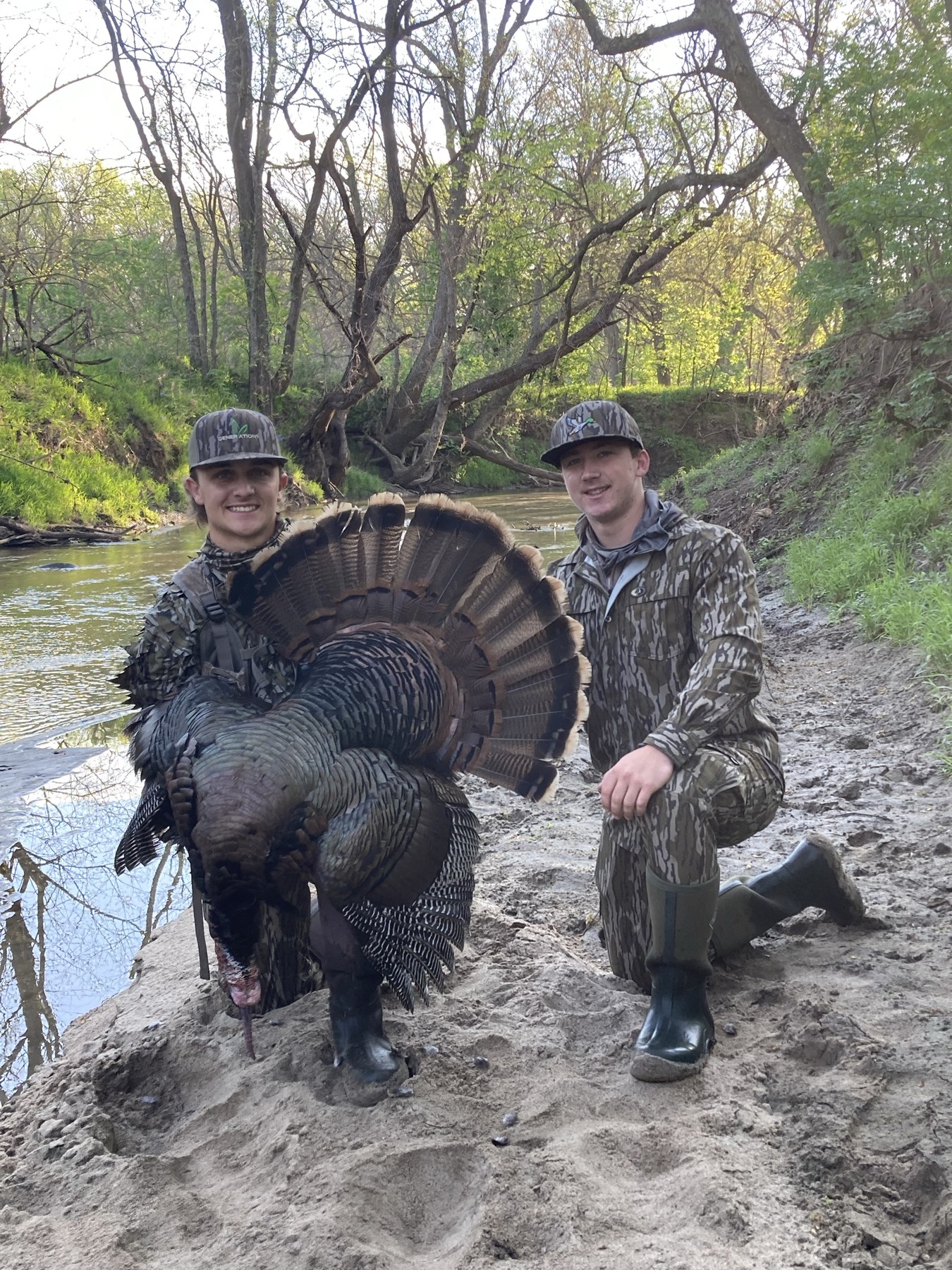
Nesting cover, brood-rearing habitat, prescribed disturbance, open-woodland structure, and property-level strategies built around wild turkey needs.
Learn More →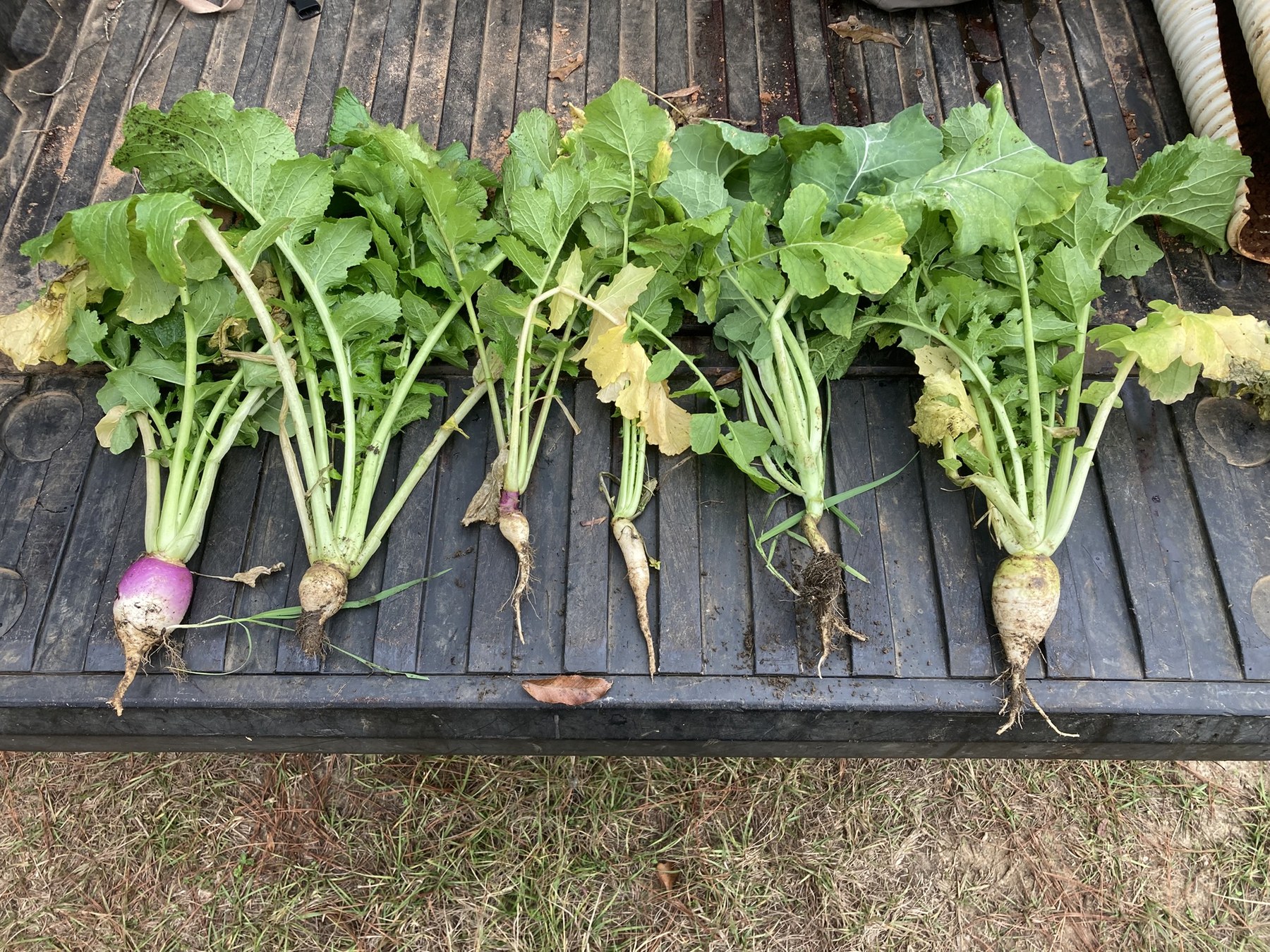
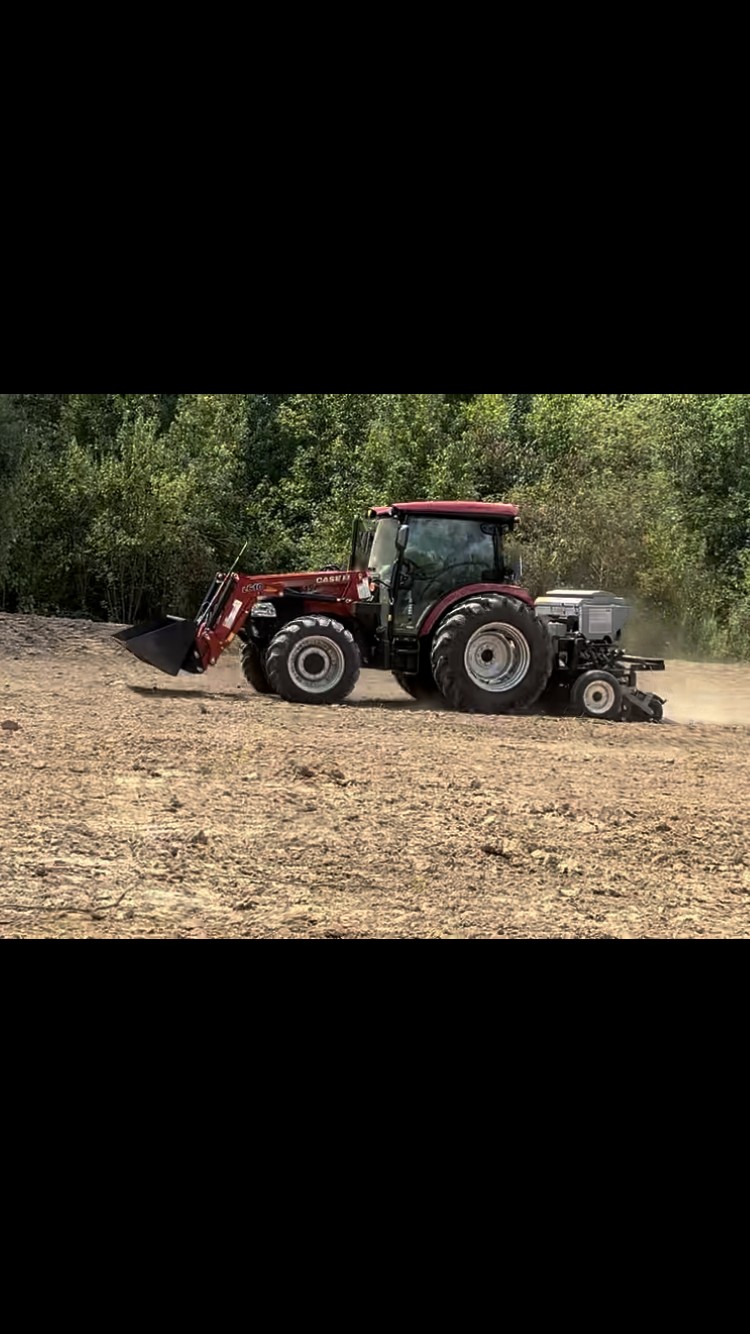
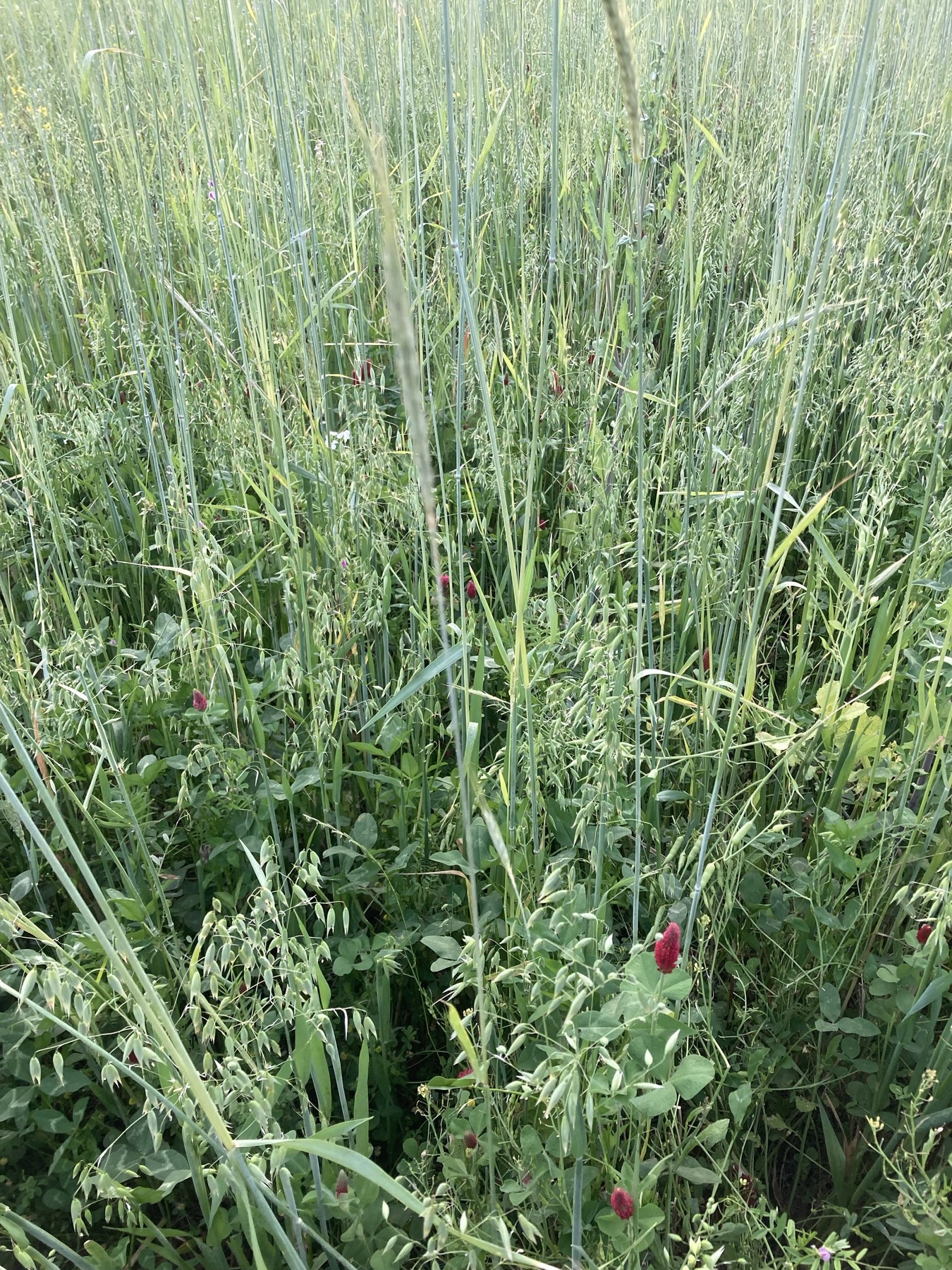
Site selection, soil strategy, forage selection, planting rates, annual and perennial systems, and year-round nutrition planning.
Learn More →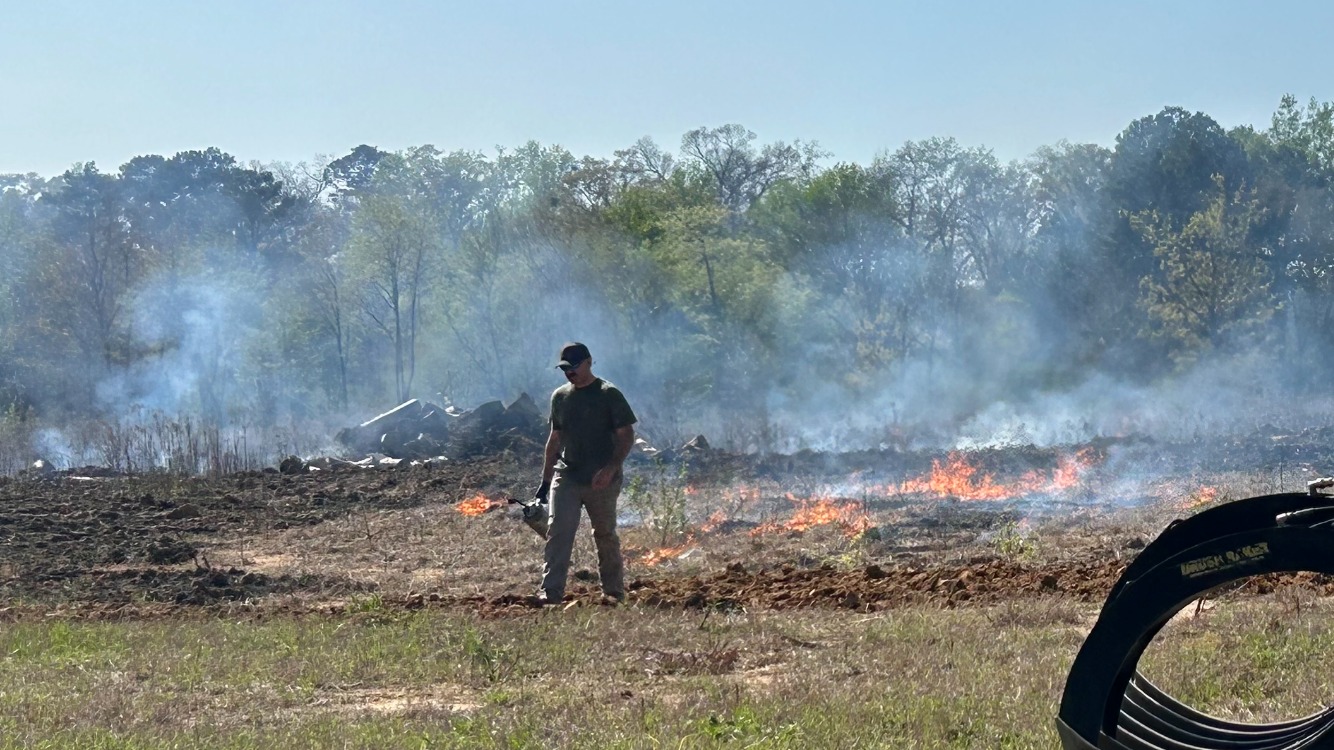
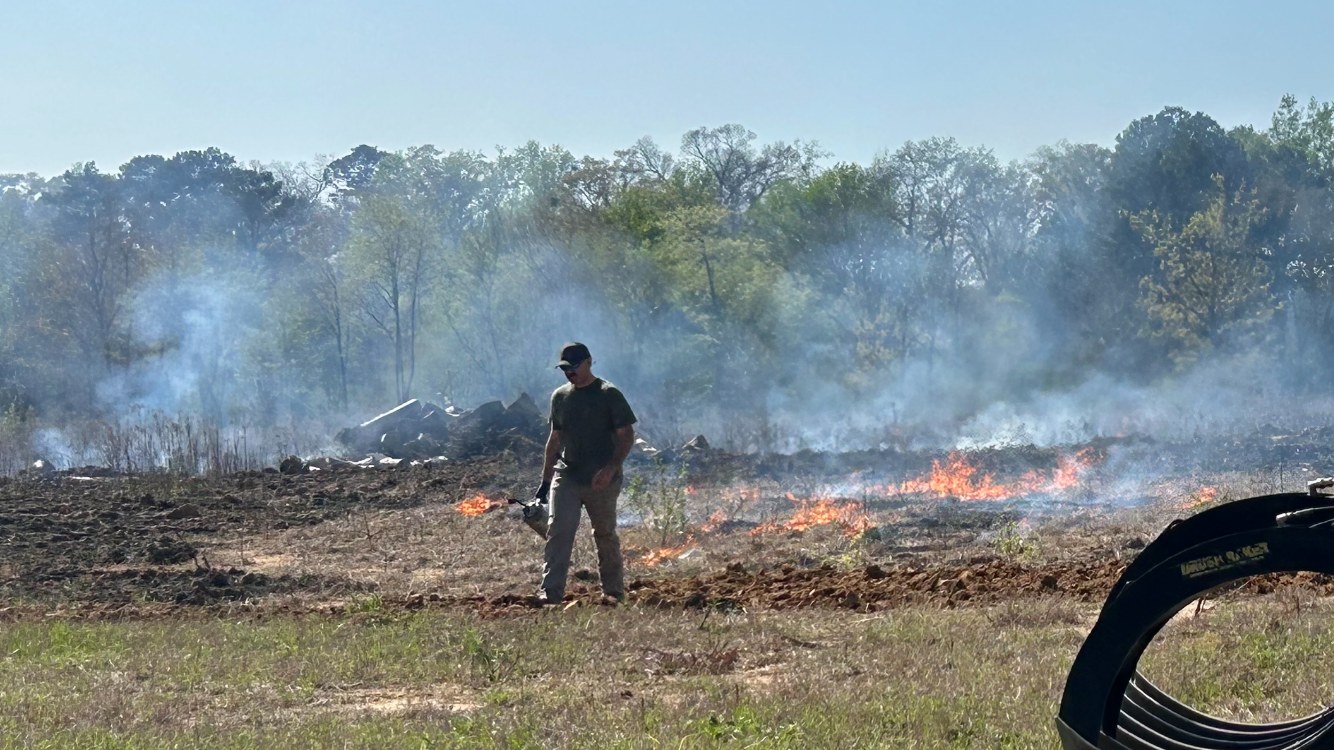
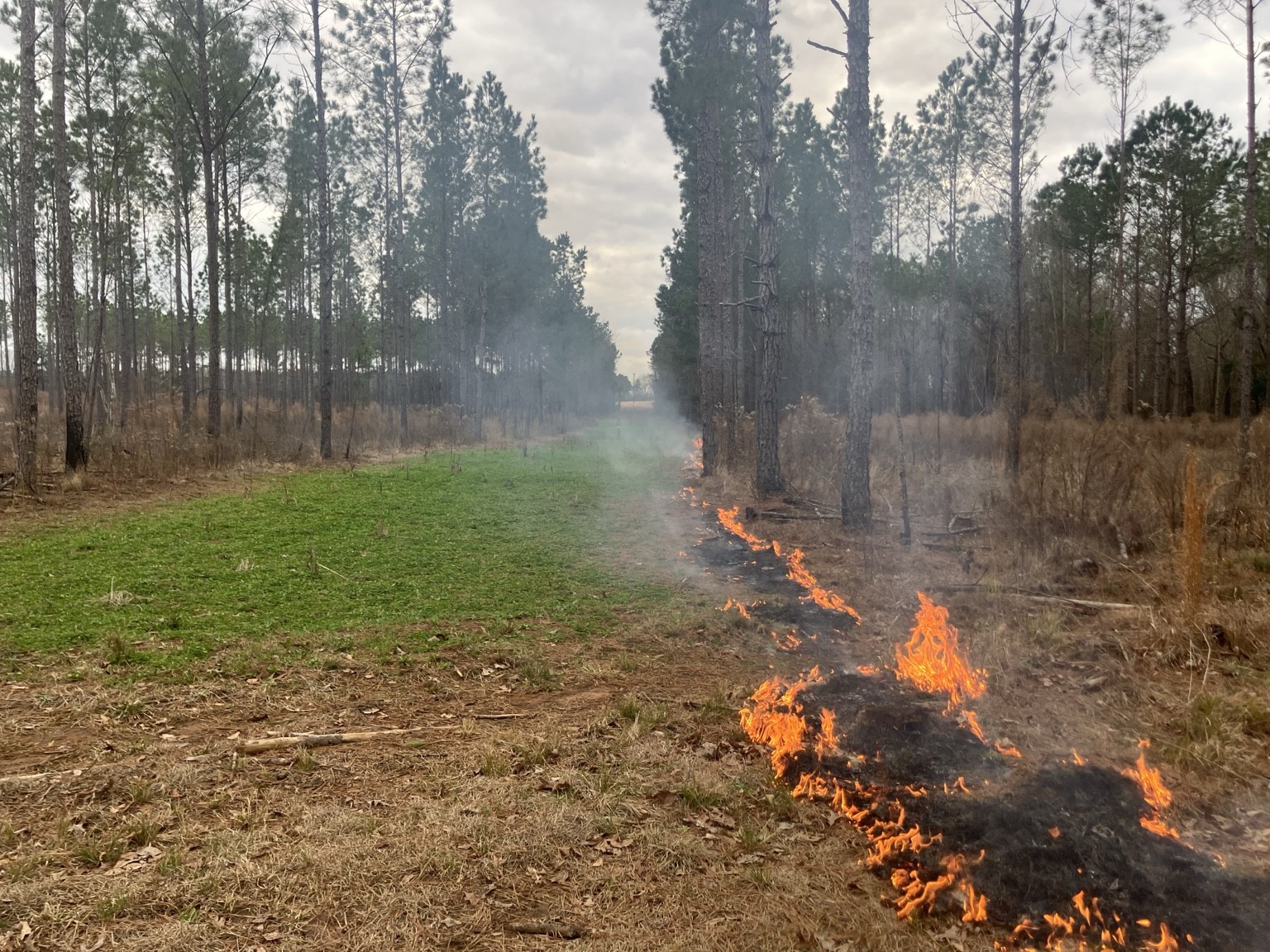
Habitat-focused burn strategy to improve understory structure, stimulate native vegetation, and maintain productive early successional cover.
Learn More →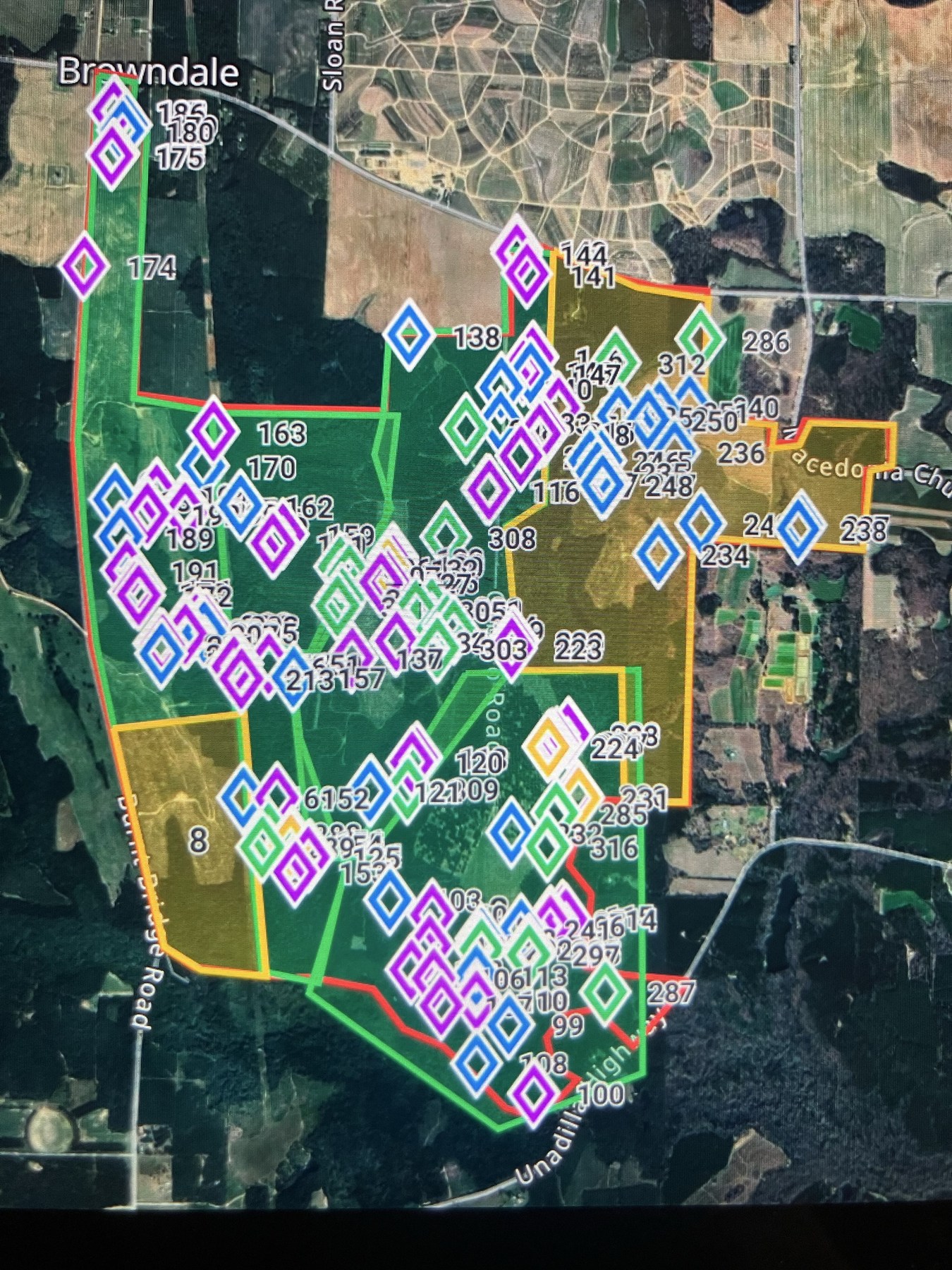
Thermal and field survey interpretation, property-wide deer observations, population structure, buck-to-doe ratios, mapping, and harvest recommendations.
Learn More →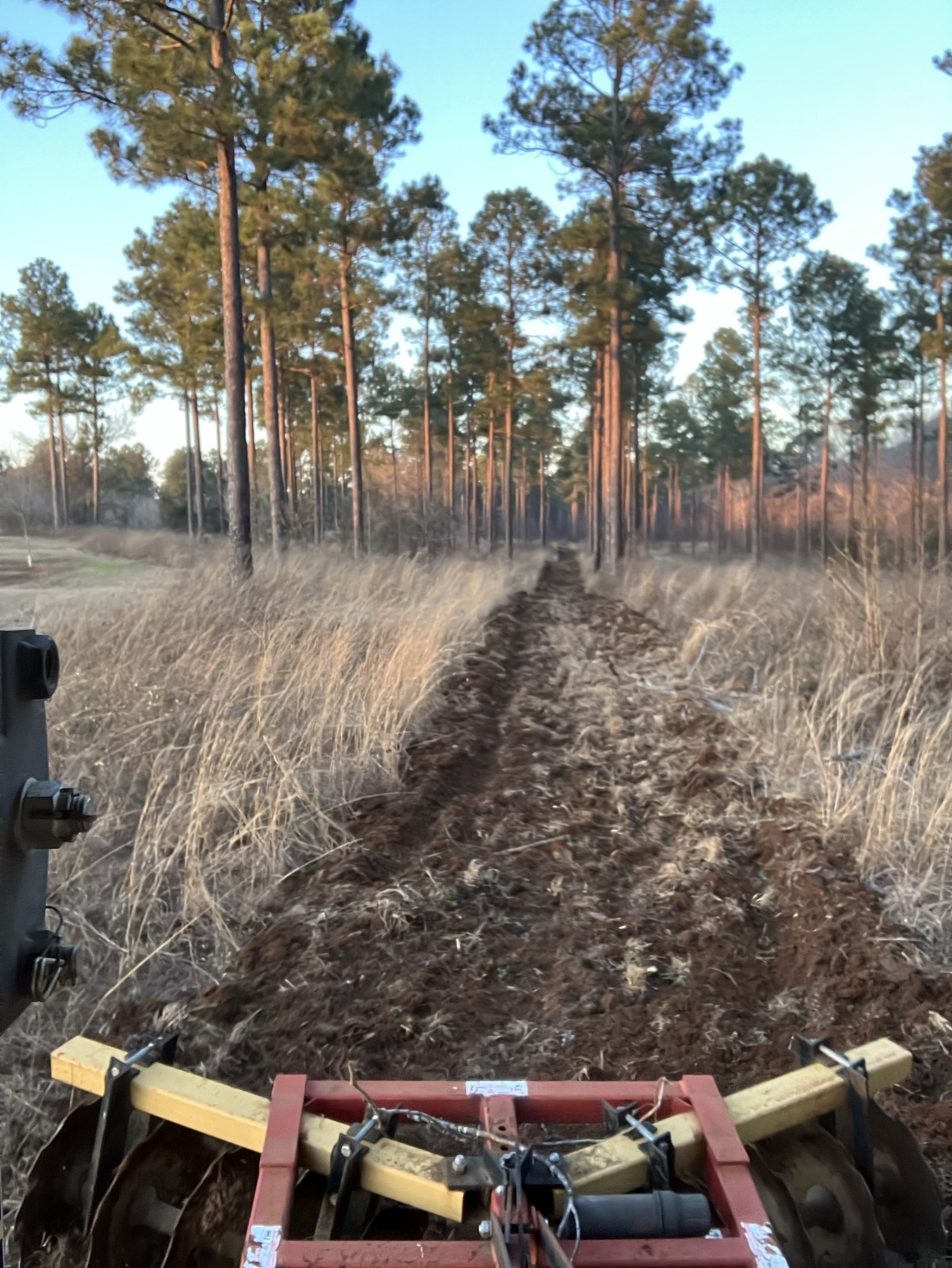
Data-informed, practical, and customized recommendations based on your property's habitat, objectives, budget, and available equipment.
Learn More →OUR SERVICES
Every property has a different combination of habitat, wildlife pressure, timber, access, soils, surrounding land use, and management history. Generation 1 uses those differences to determine what should be addressed first and how each project fits into the larger management objective.
WHITETAIL DEER MANAGEMENT
Generation 1 develops property-specific whitetail strategies based on herd demographics, available habitat, nutrition, hunting pressure, and long-term objectives. The goal is to understand what the property is currently producing, identify the factors limiting improvement, and build a management plan that can be measured over time.
Review deer observations, camera data, harvest records, buck-to-doe ratios, age structure, recruitment, and population trends to establish a practical starting point.
Evaluate bedding and security cover, native forage, browse pressure, travel corridors, water, timber structure, edge, and seasonal habitat availability.
Develop buck and doe harvest recommendations based on population objectives, habitat capacity, age structure, and the landowner's goals.
Identify seasonal nutritional gaps and integrate native habitat, food plots, soil fertility, and supplemental strategies where appropriate.
Review roads, stand access, sanctuaries, prevailing winds, screening cover, and hunting pressure to reduce unnecessary disturbance.
Use repeat observations, camera surveys, browse response, harvest data, and habitat changes to adjust recommendations as the property improves.
WILD TURKEY MANAGEMENT
Wild turkey management requires the right combination of nesting cover, brood-rearing habitat, roost resources, open woodland structure, escape cover, and disturbance. Generation 1 evaluates how those habitat components are distributed across the property and where seasonal bottlenecks may be limiting turkey use.
Evaluate vegetation height, density, edge structure, and disturbance patterns that influence nesting opportunity and security.
Develop open, insect-rich areas with usable ground-level structure that poults can move through while retaining overhead cover.
Consider mature timber, proximity to openings, travel routes, and the relationship between roost sites and surrounding habitat.
Use fire, disking, mowing, timber work, and selective disturbance to maintain diverse vegetation structure across seasons.
Improve sunlight to the forest floor and encourage native grasses, forbs, legumes, and soft mast where site conditions allow.
Coordinate management so nesting, brood-rearing, fall feeding, winter cover, and spring use are considered together.
FOOD PLOTS
Food plots are most effective when they complement native habitat rather than attempt to replace it. Generation 1 evaluates soils, plot size, sunlight, equipment access, hunting strategy, seasonal forage availability, and surrounding habitat before recommending a planting program.
Build fertility recommendations around soil-test results, pH, lime needs, nutrient requirements, and realistic production goals.
Consider access, wind, sunlight, security cover, travel routes, property layout, and hunting pressure when choosing plot locations.
Select annual and perennial species based on soil type, planting window, browse pressure, management intensity, and seasonal needs.
Develop appropriate seeding rates and mixtures instead of using one generic blend across every acre or soil type.
Determine whether conventional tillage, minimum tillage, no-till, or broadcast methods best fit the property and available equipment.
Coordinate cool-season, warm-season, perennial, and native forage resources to reduce seasonal nutritional gaps.
PRESCRIBED FIRE
Prescribed fire can be one of the most effective wildlife habitat tools available when it is applied to the right site, at the right time, and for a clear objective. Generation 1 uses fire as part of a broader habitat strategy rather than treating every burn unit the same.
Define whether the priority is understory reduction, native-forage response, hardwood control, brood habitat, fuel management, or another habitat goal.
Consider property boundaries, roads, firebreaks, timber condition, topography, access, surrounding land use, and future management.
Use dormant-season and growing-season fire strategically based on vegetation response and the desired habitat outcome.
Coordinate fire with thinning, midstory work, herbicide, disking, mowing, and other treatments to maximize sunlight and plant response.
Evaluate changes in forage, cover, bare ground, insect production, plant diversity, and habitat structure after treatment.
Establish realistic return intervals and follow-up treatments so habitat does not quickly move back into an undesirable condition.
Prescribed fire should be conducted in accordance with applicable laws, permits, weather parameters, and qualified fire-management practices.
HERD ANALYSIS & WILDLIFE SURVEYS
Wildlife surveys are most valuable when observations are tied to location, repeated effort, habitat conditions, and specific management goals. Generation 1 uses survey information as one component of a broader management picture rather than relying on a single count by itself.
Use property-wide thermal observations where appropriate to locate deer and improve understanding of nighttime distribution across the tract.
Multiple survey efforts can provide a more useful comparison than relying on one flight conducted under one set of conditions.
Document visible population structure and compare observations with camera, harvest, and field data.
Map wildlife observations to identify concentration areas, underused habitat, travel zones, and property-level distribution patterns.
Combine survey information with camera history, harvest records, browse pressure, habitat condition, and landowner observations.
Use the combined information to support doe-management, buck-age objectives, habitat priorities, and future monitoring decisions.
COMPLETE PROPERTY MANAGEMENT
For landowners who want a complete strategy, Generation 1 evaluates the property as one connected system. Habitat, wildlife populations, timber, food plots, water, access, pressure, prescribed fire, and project sequencing are considered together so individual improvements support the same long-term objective.
Review acreage, aerial imagery, habitat types, timber, soils, existing openings, roads, water, wildlife use, and current management.
Identify the most important limiting factors and rank projects by expected wildlife benefit, cost, timing, and available resources.
Evaluate entry routes, roads, stand locations, sanctuaries, screening, and disturbance patterns that affect wildlife use.
Determine what should be completed first and how timber work, food plots, fire, early succession, and other treatments should be coordinated.
Develop a realistic implementation schedule rather than attempting to complete every project during one season.
Reassess habitat and wildlife response as projects are completed and adjust the plan as property conditions and objectives change.
ABOUT GENERATION 1
Generation 1 LLC combines wildlife consulting with practical land management. We look at habitat, forage, cover, water, timber, access, hunting pressure, disturbance, and population structure as one connected system.
The goal is not to sell a generic seed blend or hand you a template. The goal is to identify what your property is missing, prioritize the work that matters most, and build a management program you can implement and measure over time.
Talk with Taylor about your property →OUR APPROACH
Better wildlife usually comes from improving the weakest part of the habitat system—not simply doing more of everything.
Evaluate current habitat, wildlife use, soils, timber, cover, water, access, pressure, and property layout.
Rank the limiting factors so time and money go toward the projects with the greatest return.
Put the plan on the ground through food plots, habitat work, fire, timber treatments, and herd management.
Track wildlife observations, camera data, harvest information, browse pressure, and habitat response over time.
FIELD WORK & RESULTS
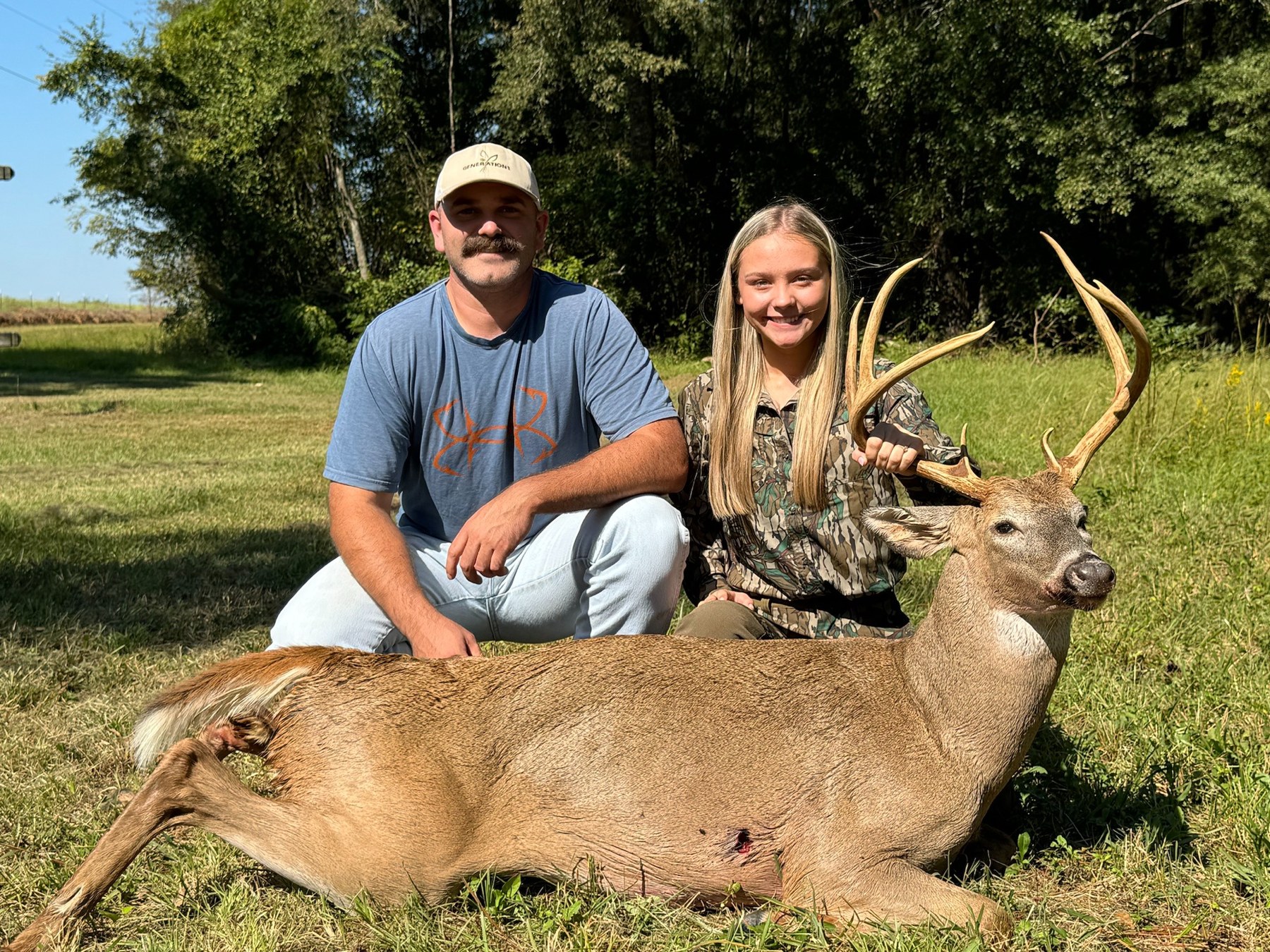
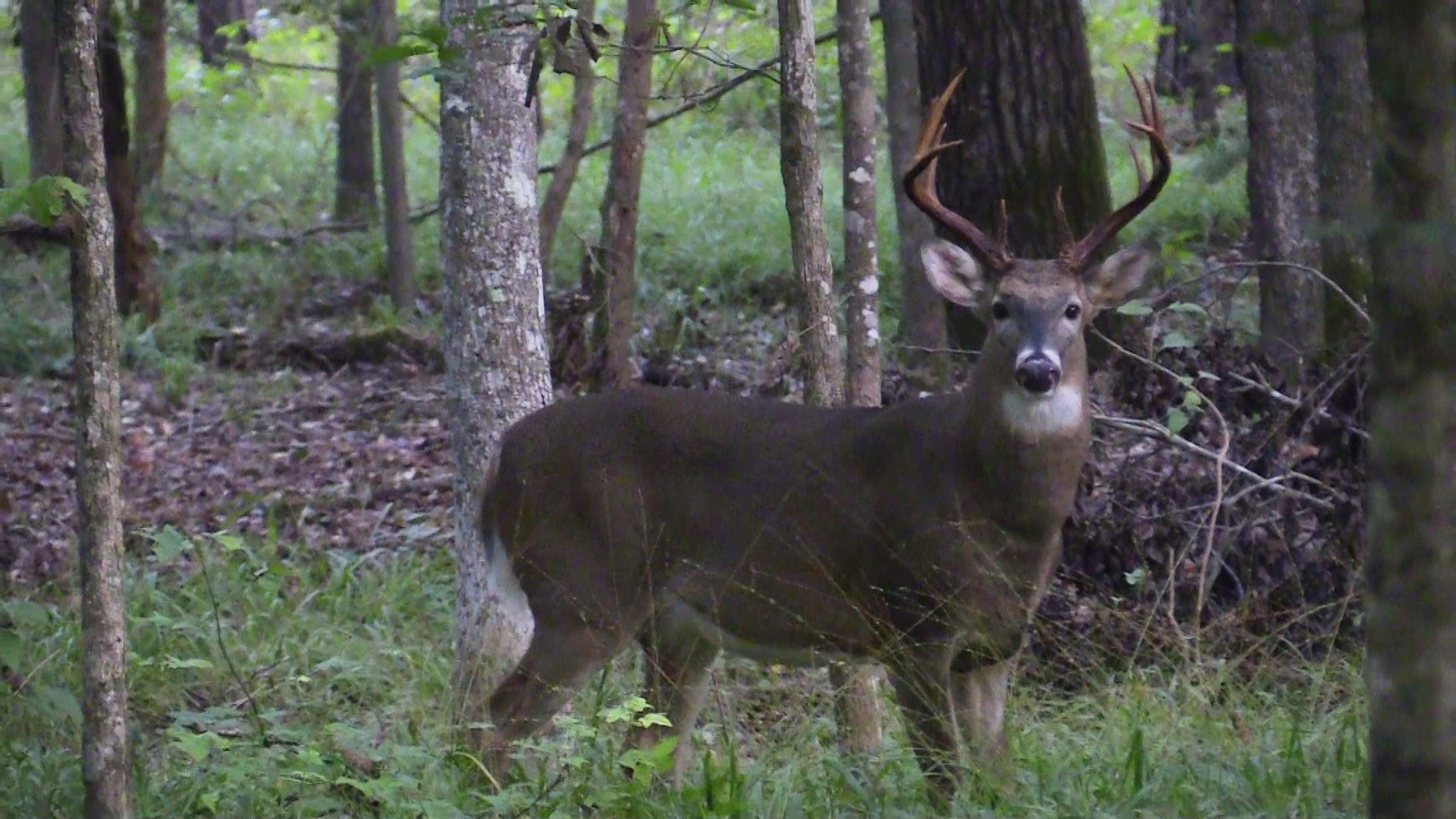
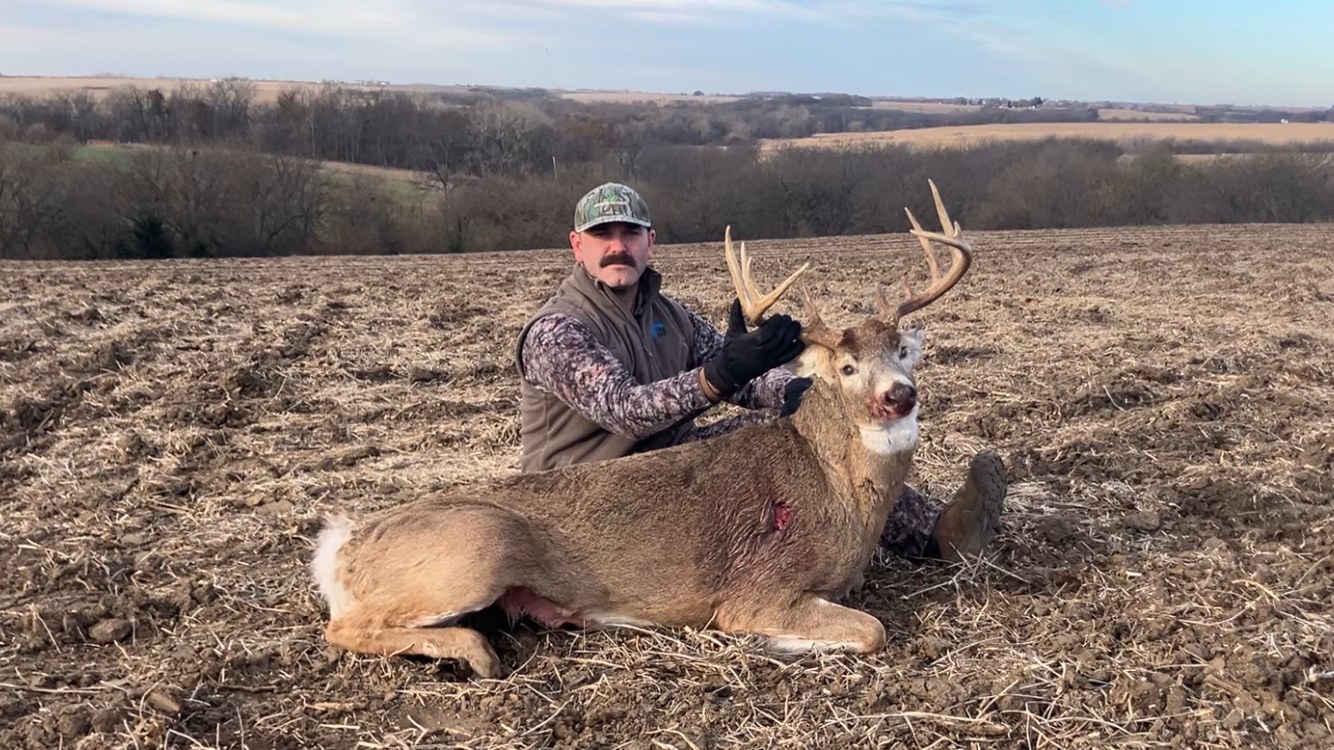
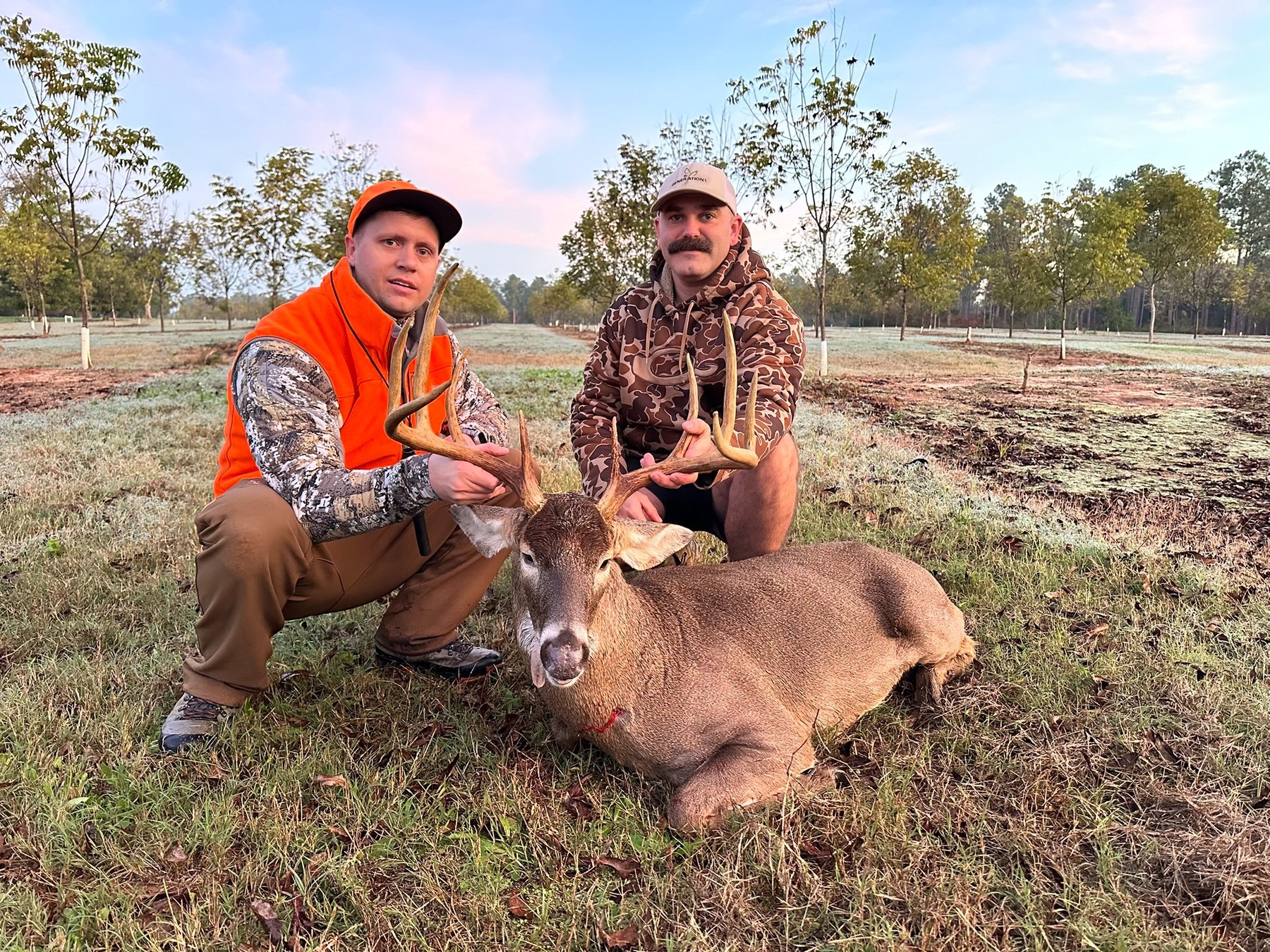
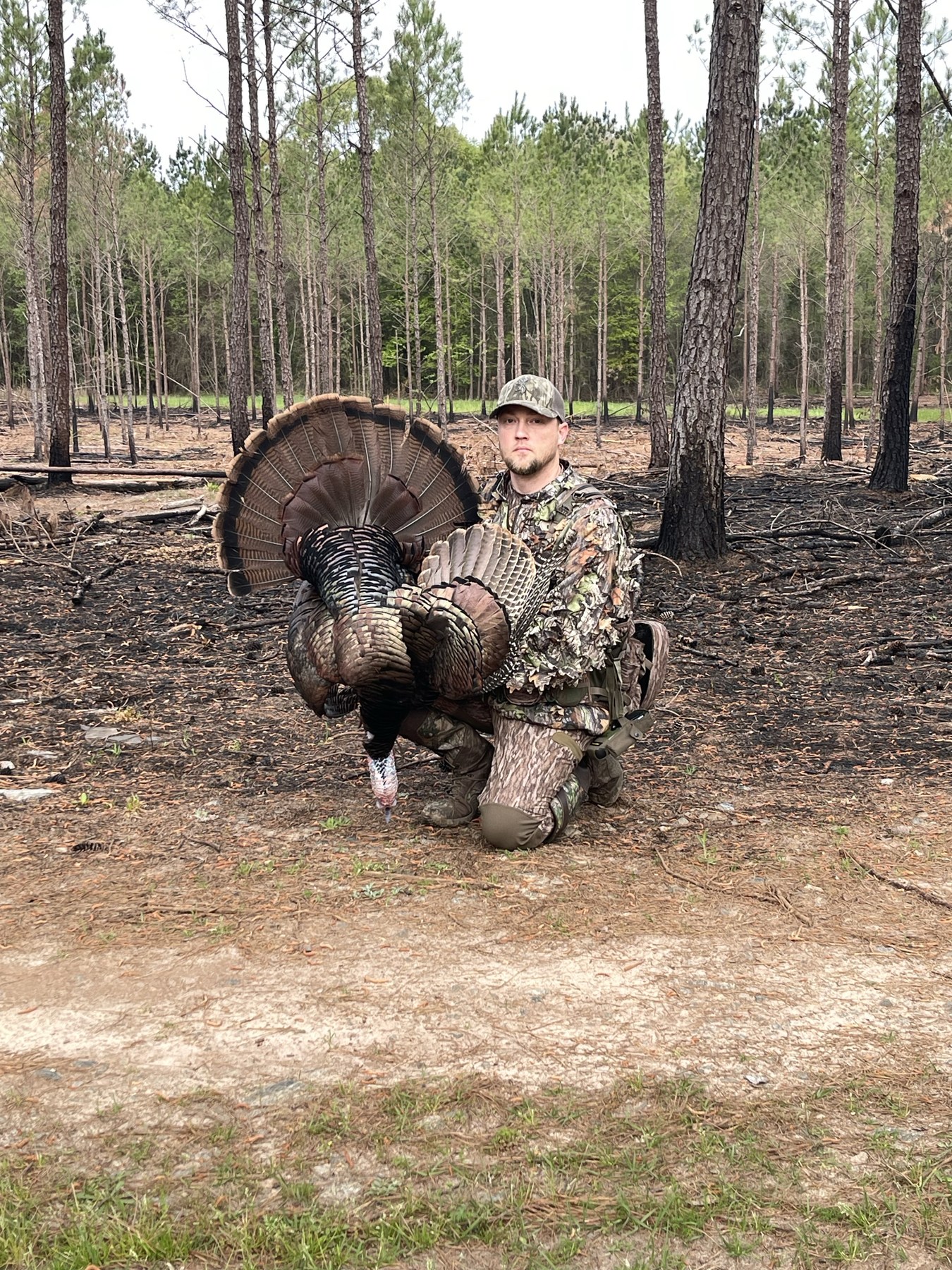
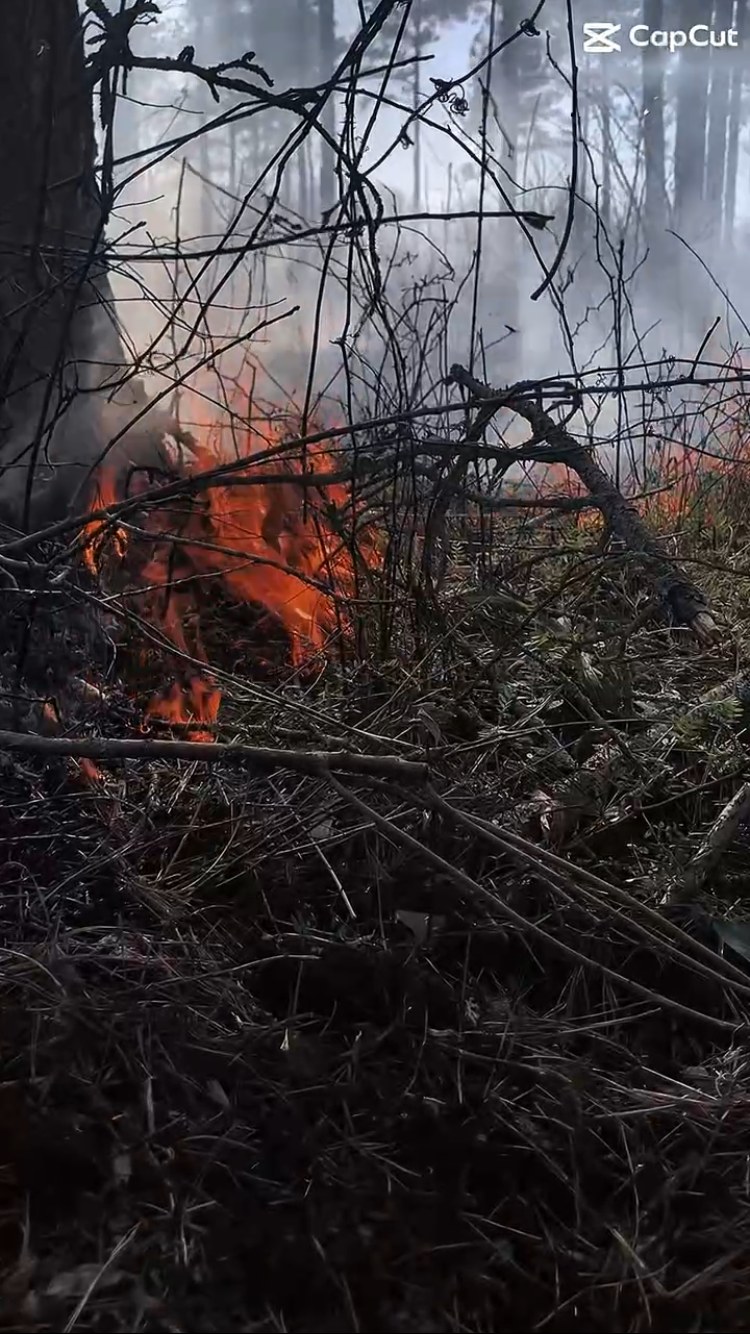
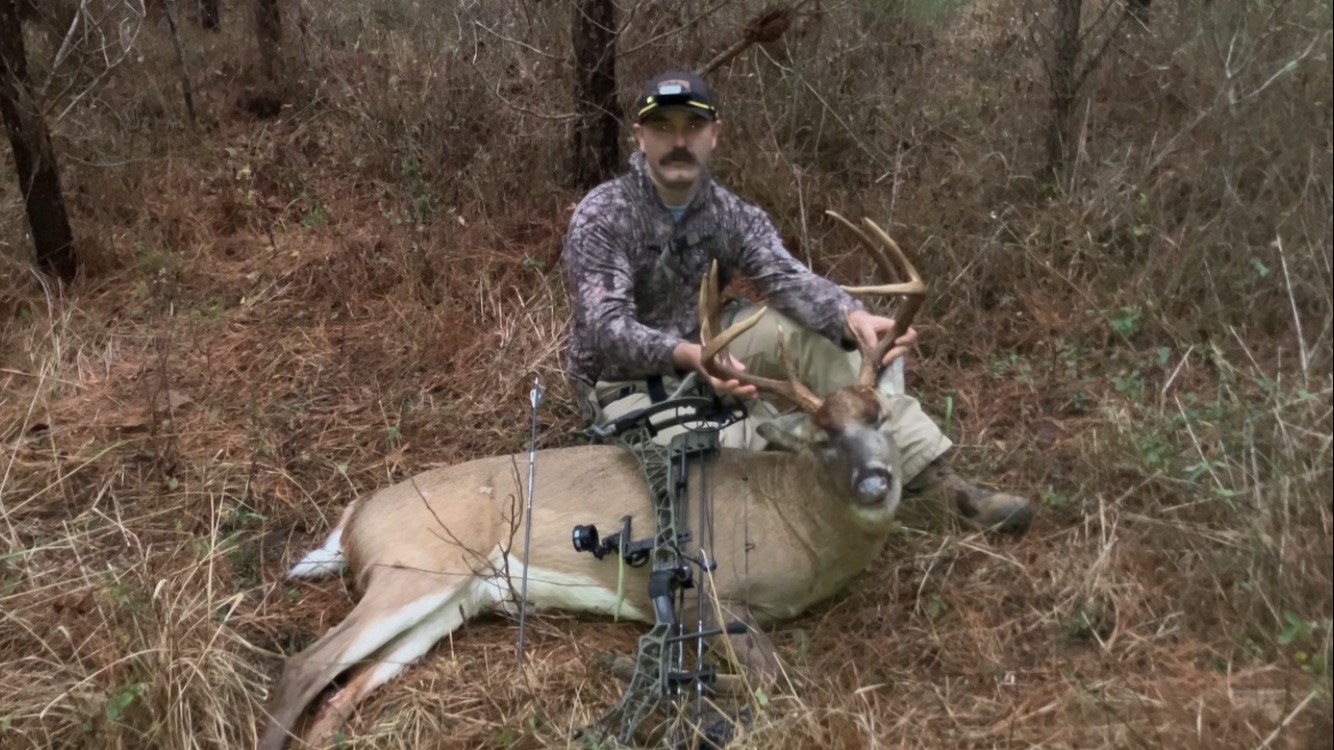
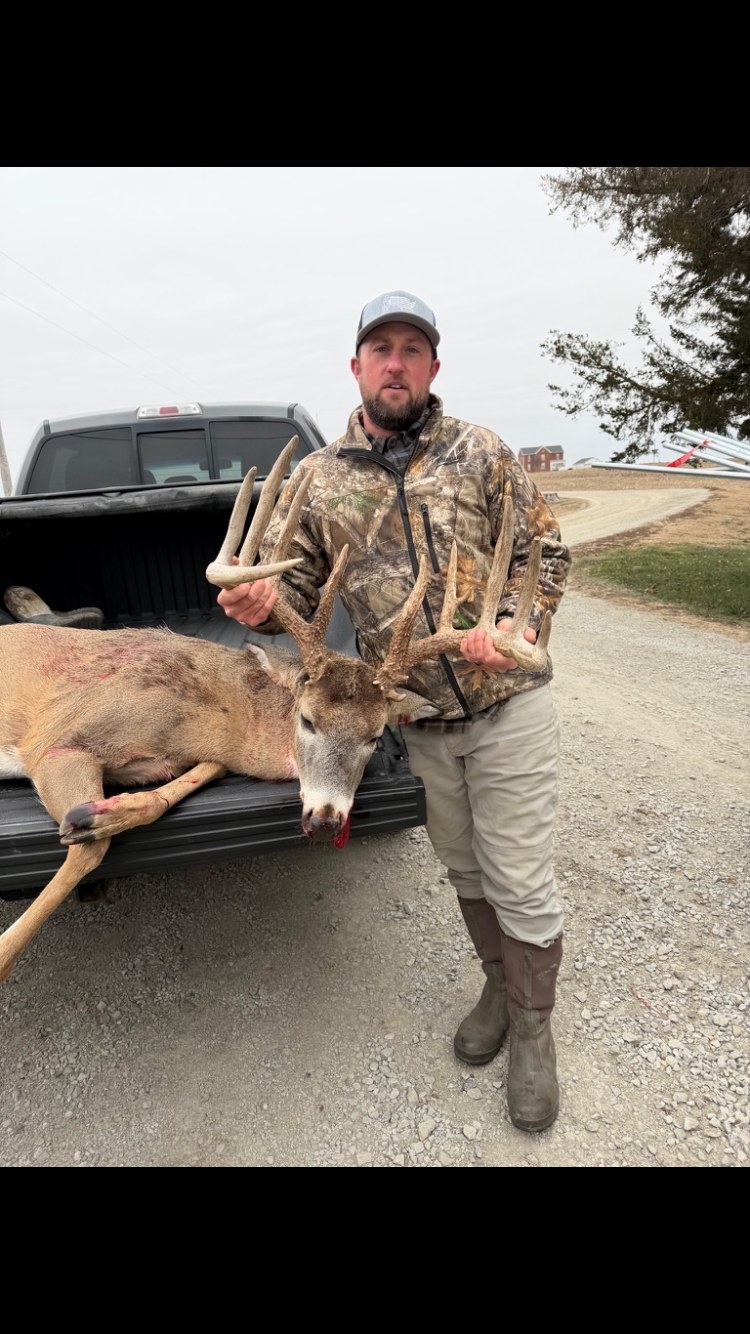
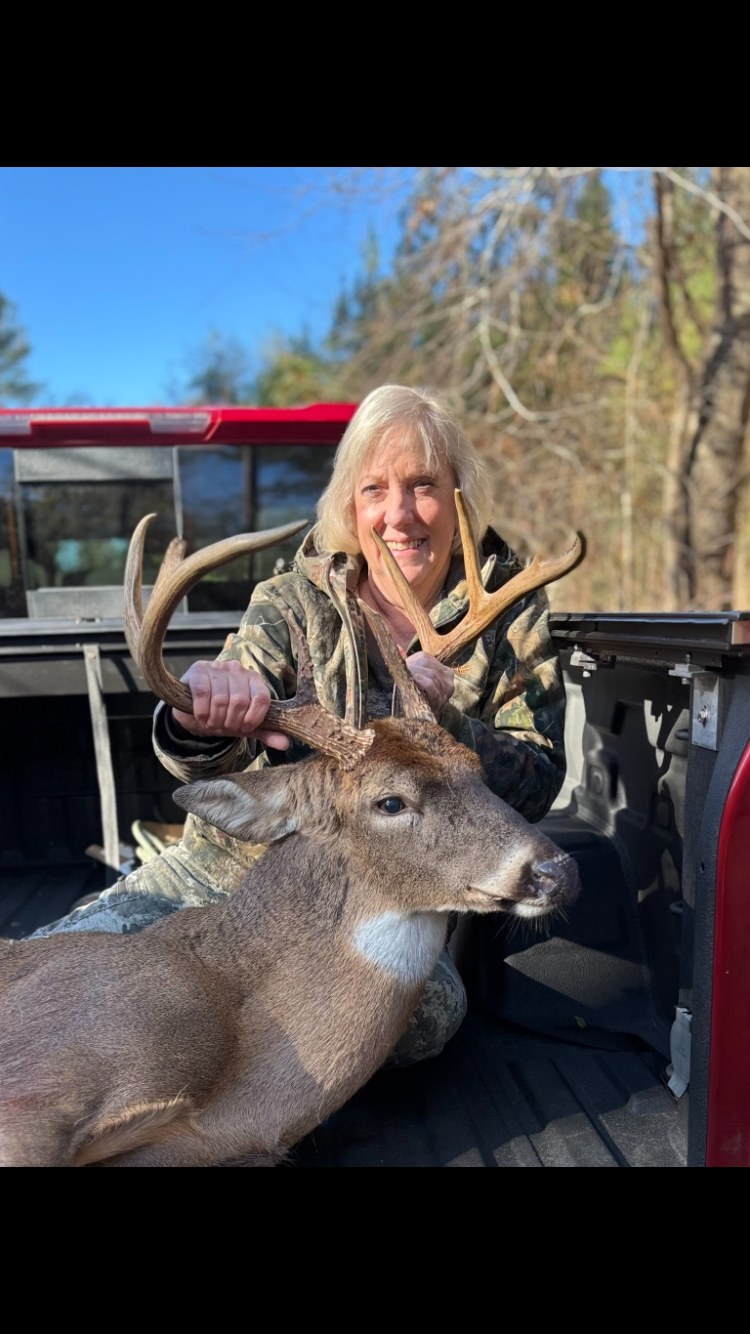
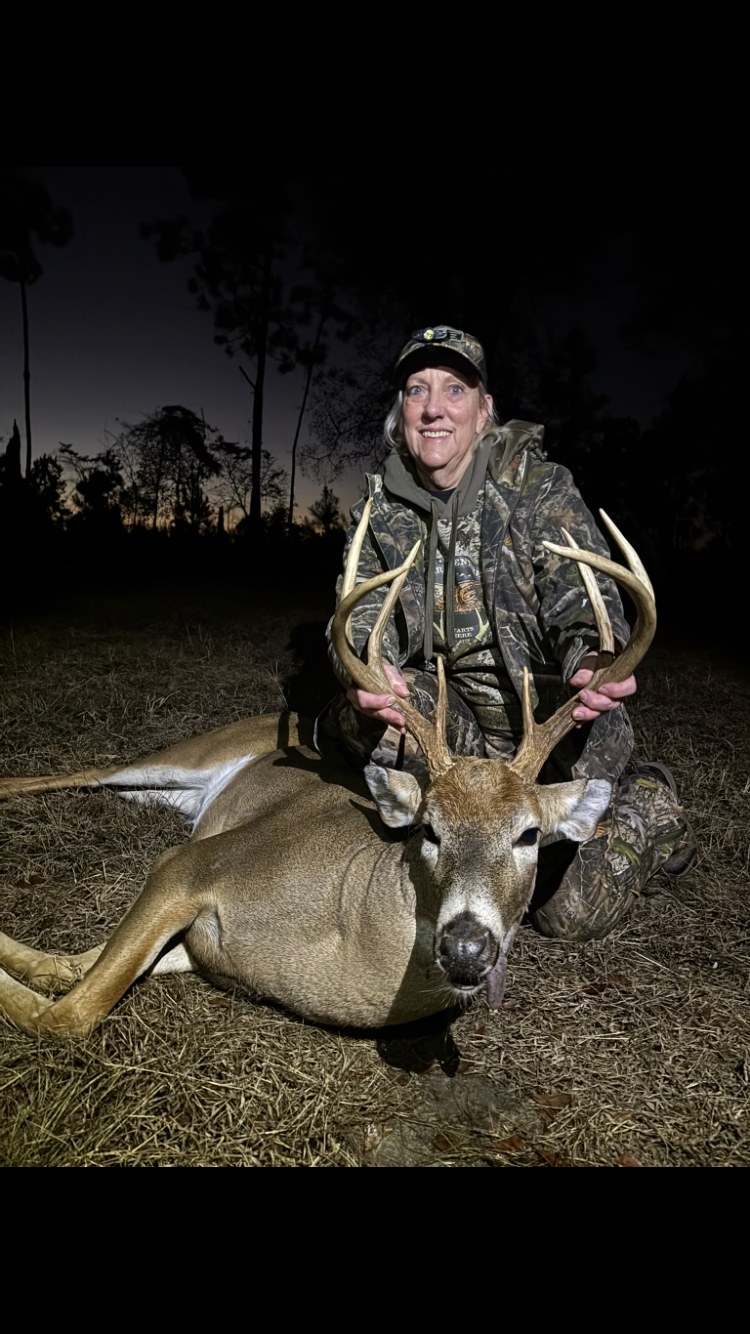
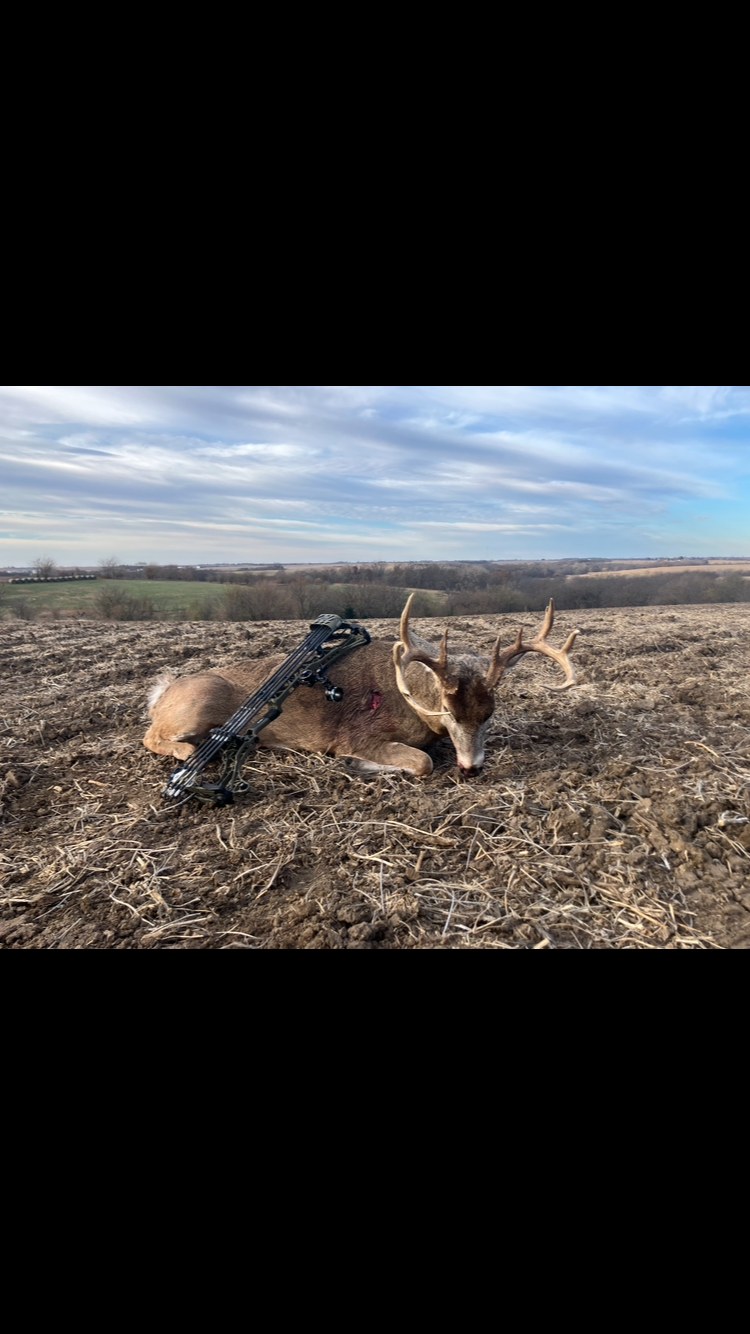
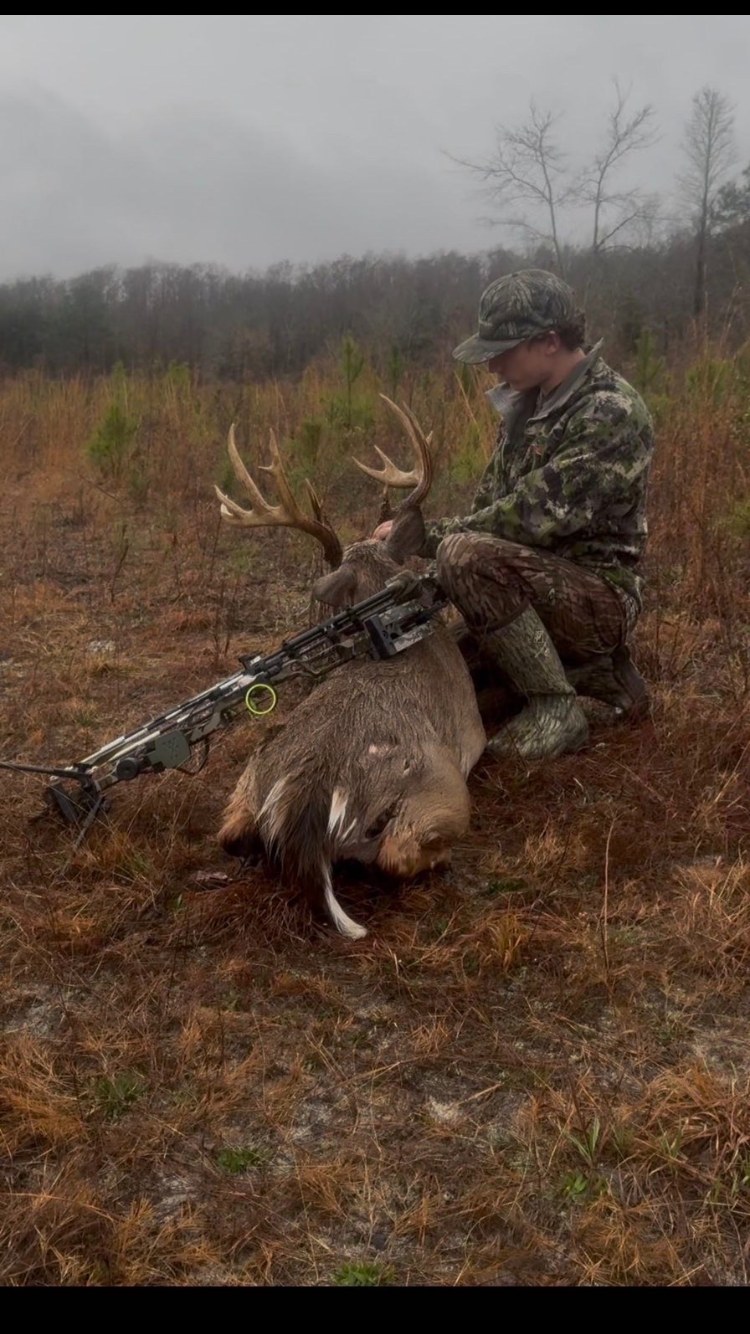
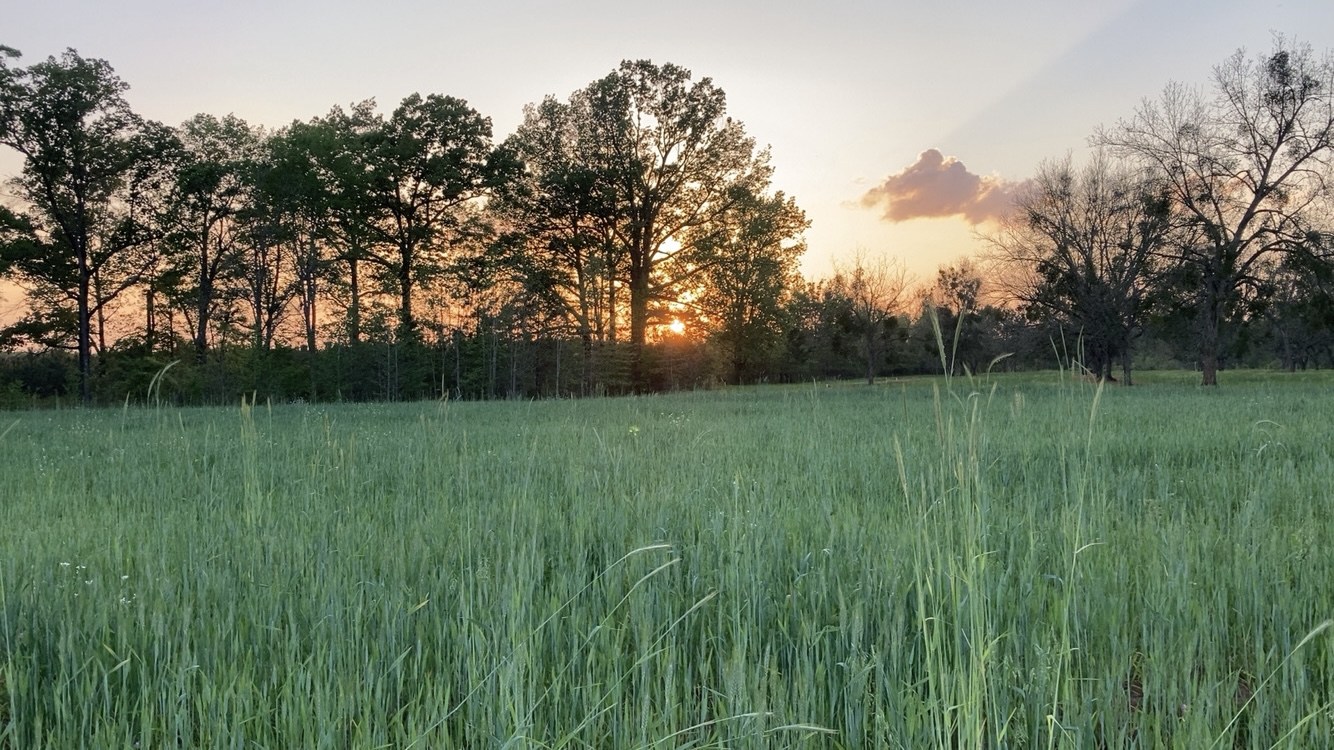
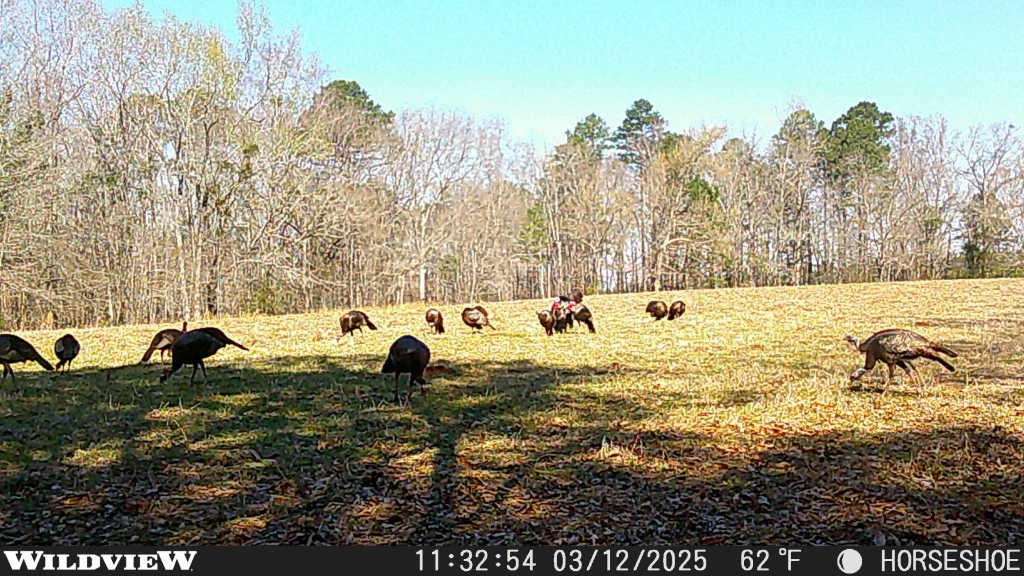
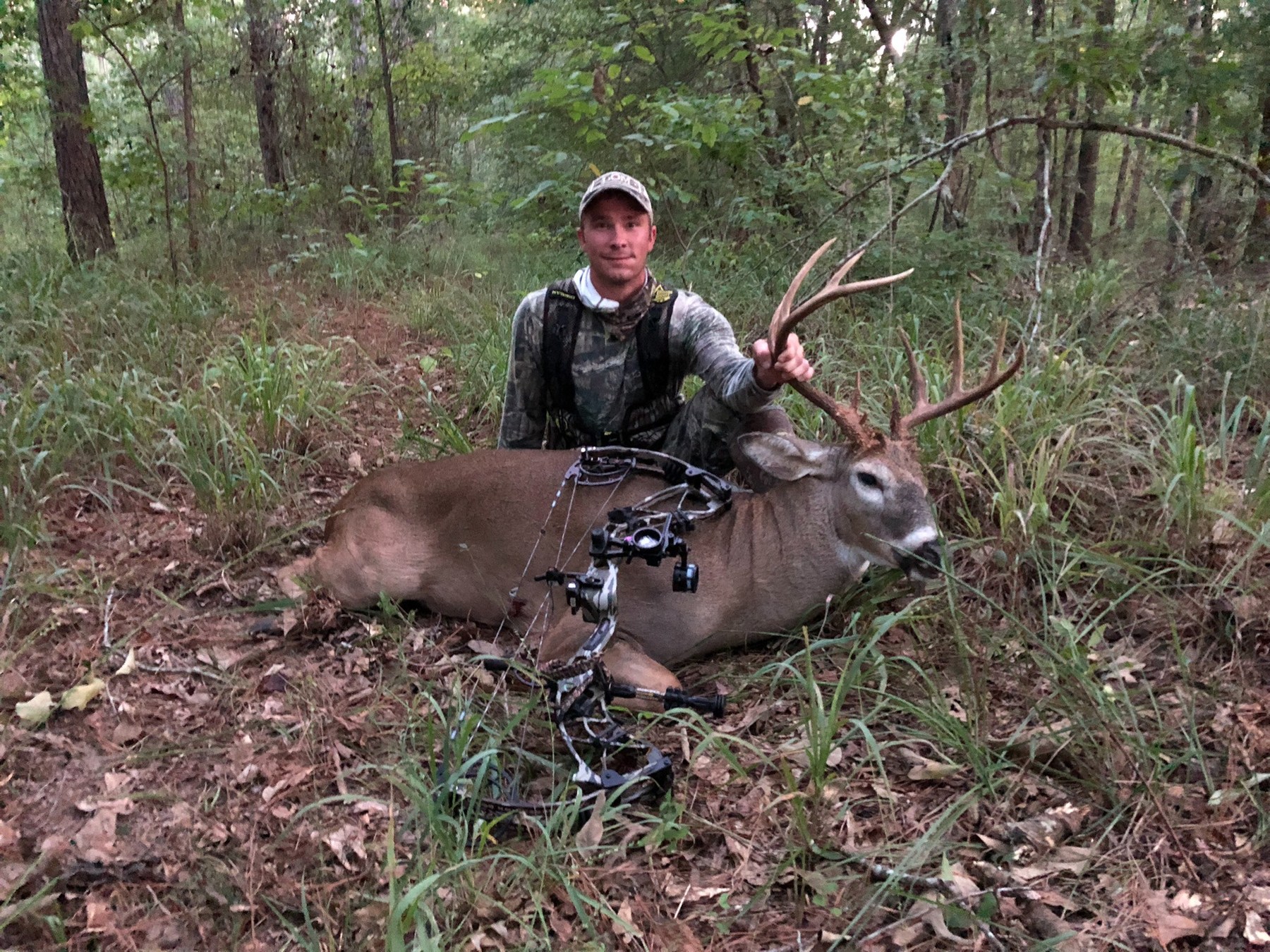
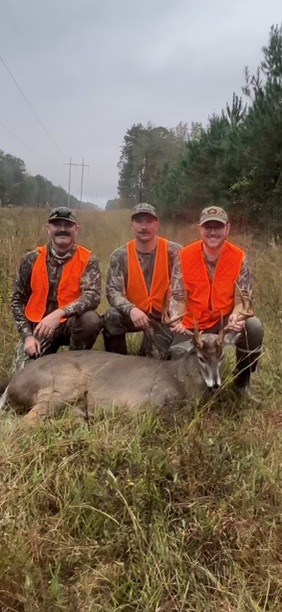
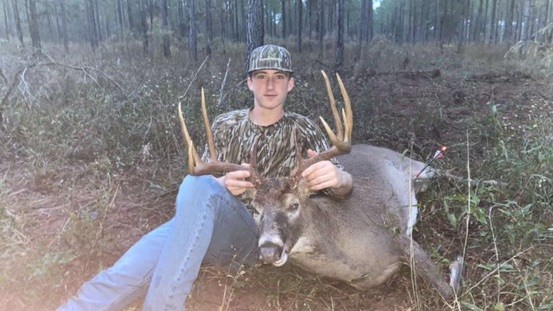
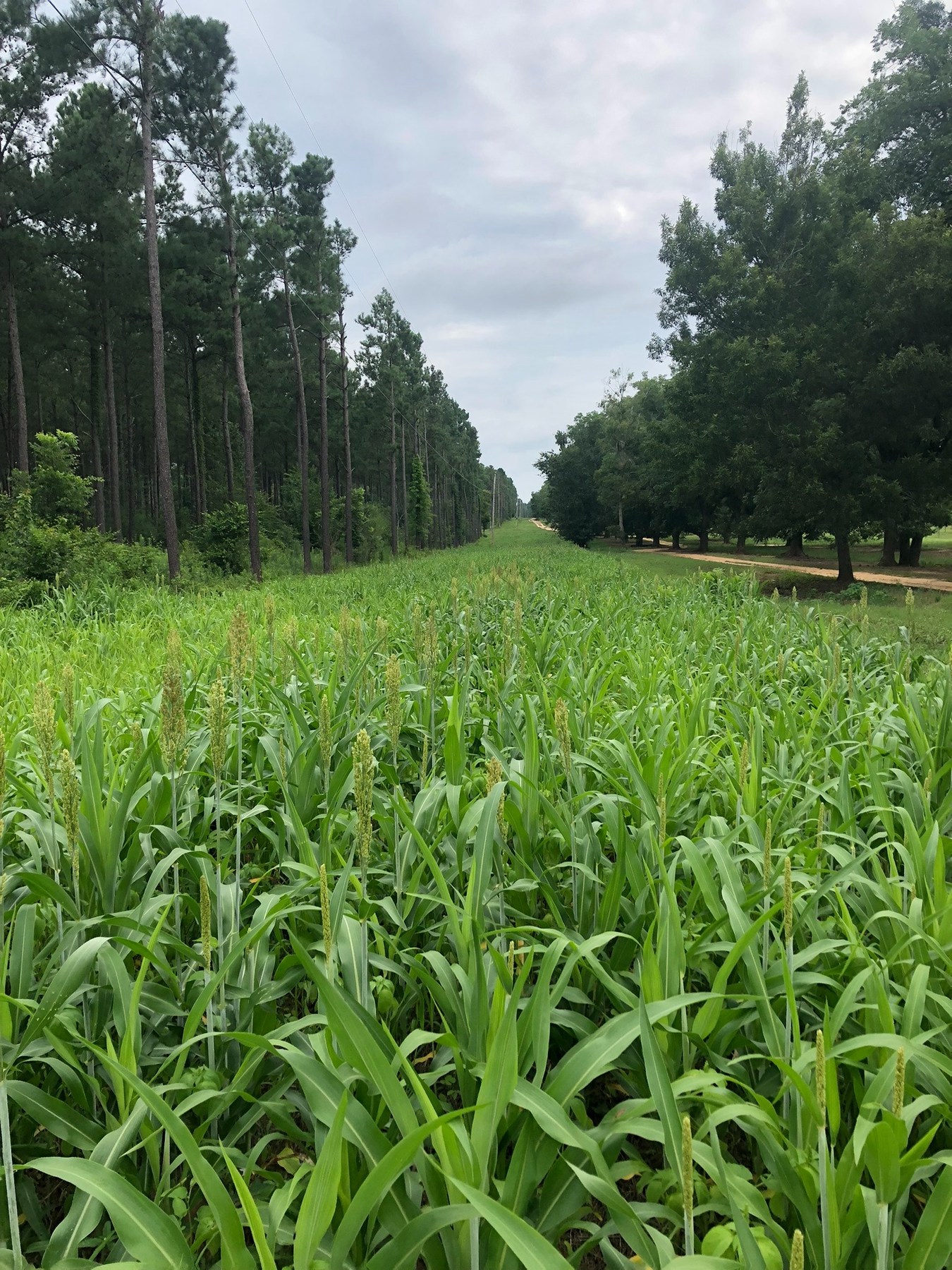
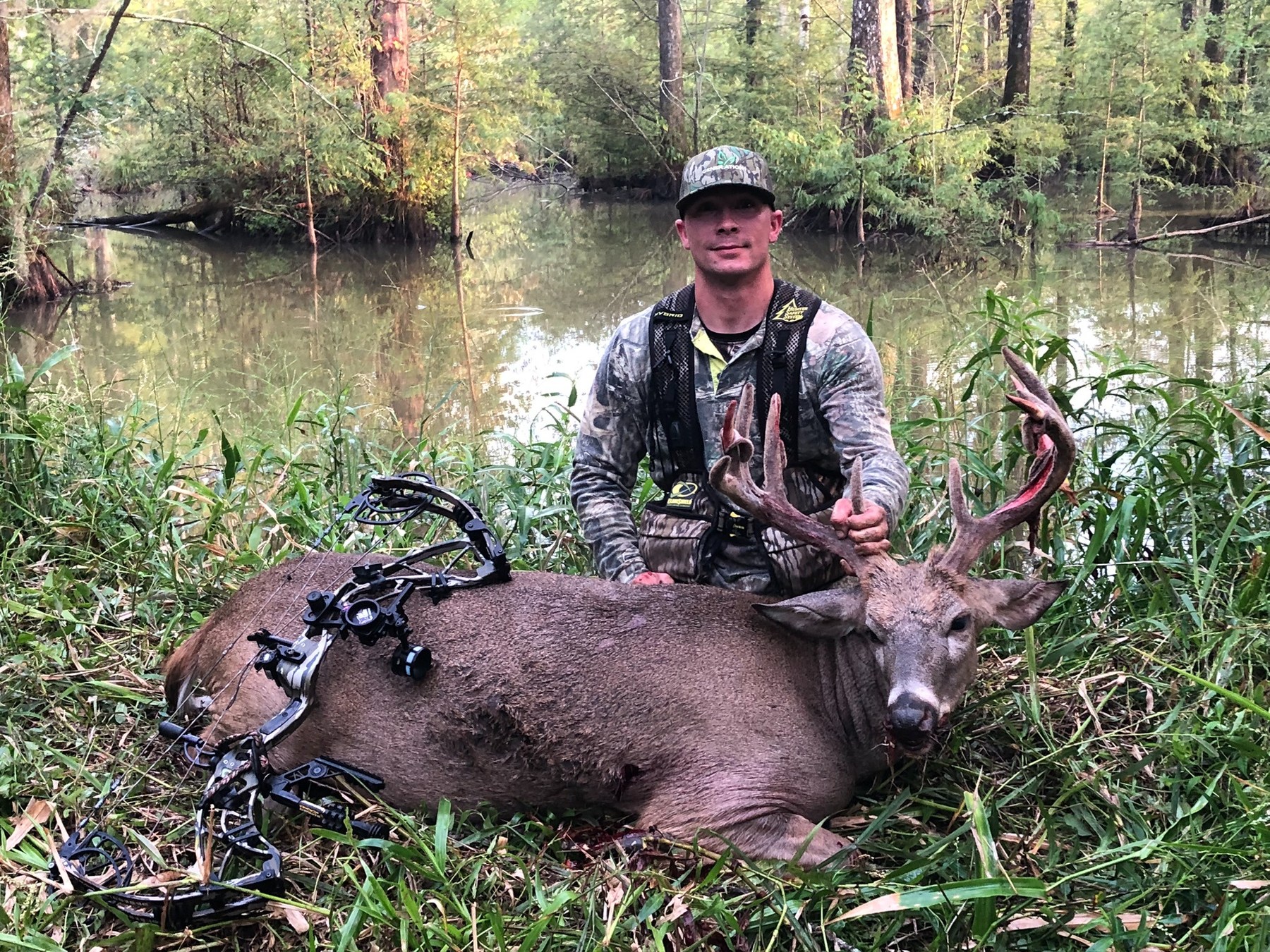
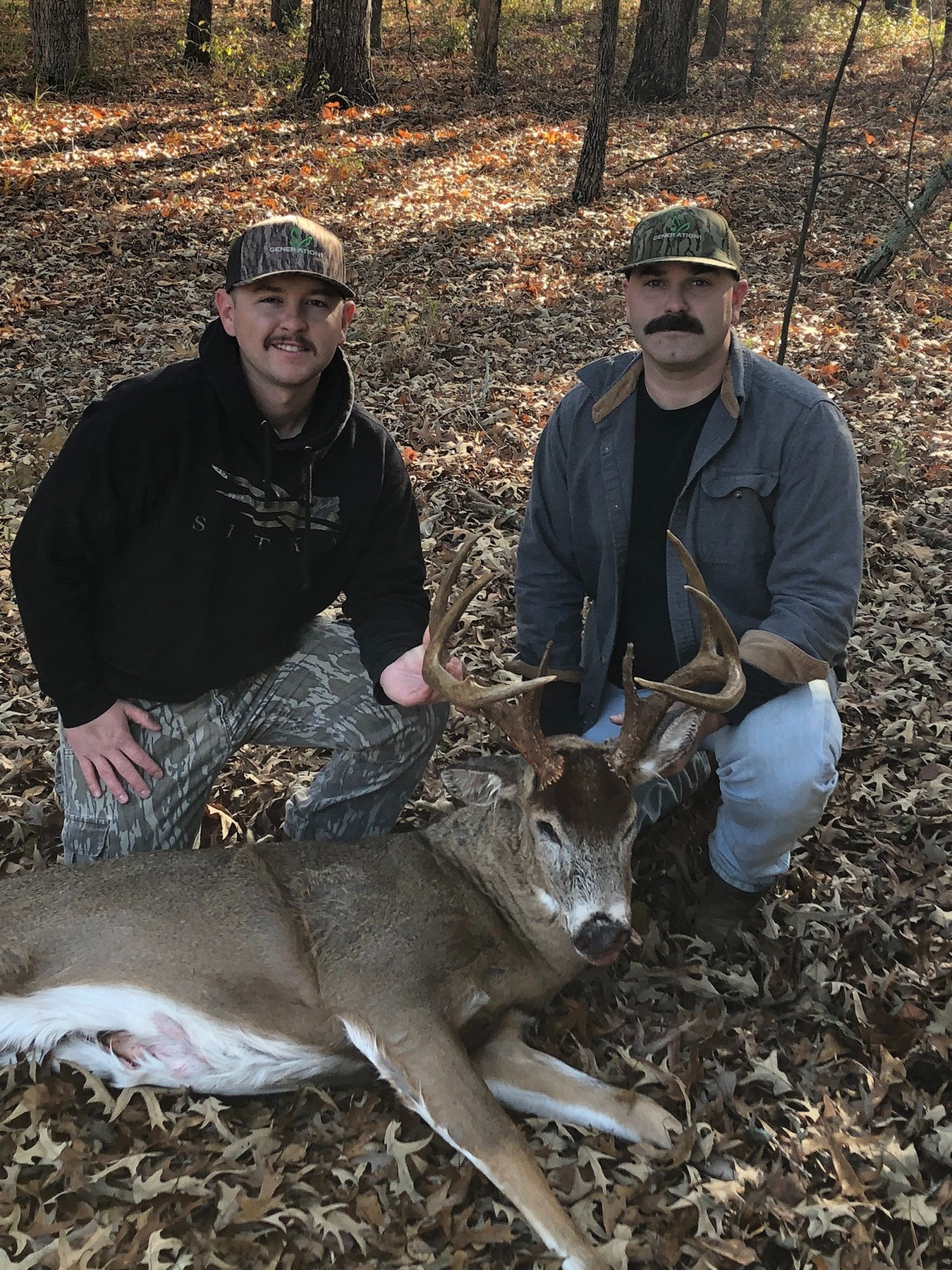
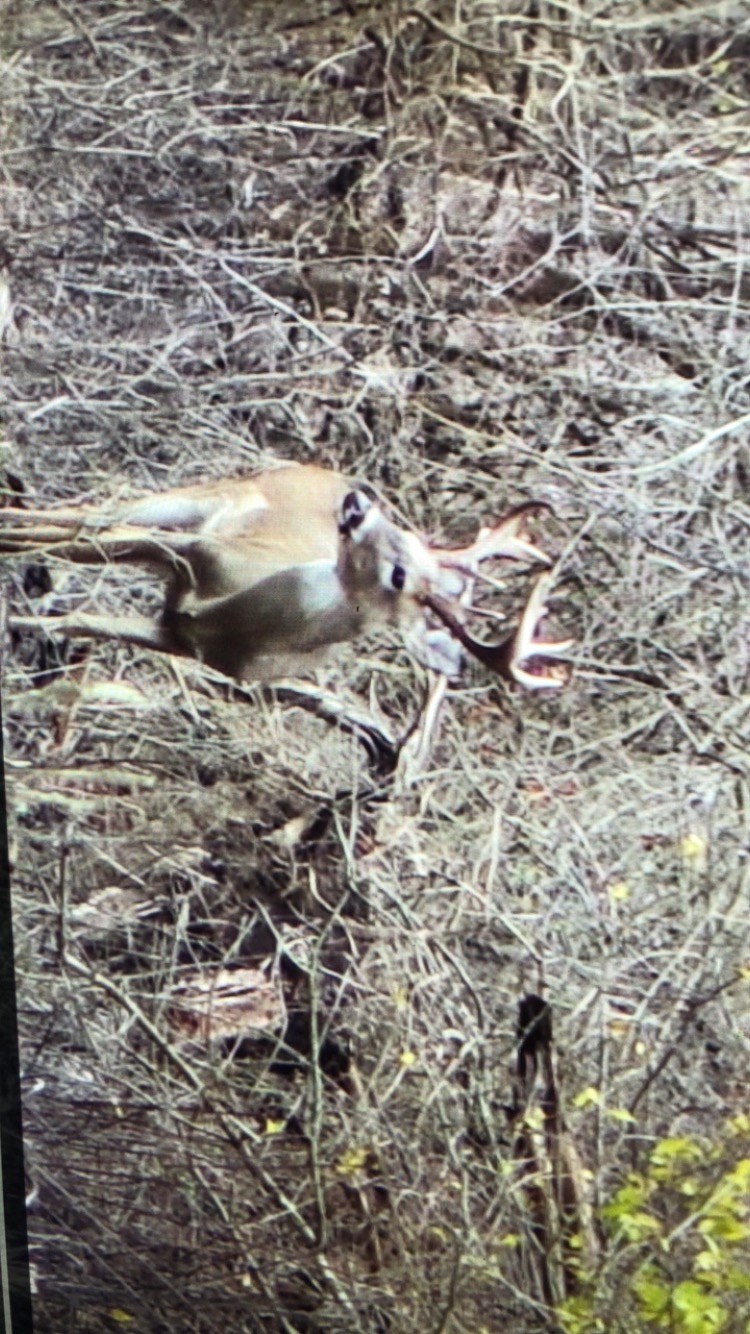
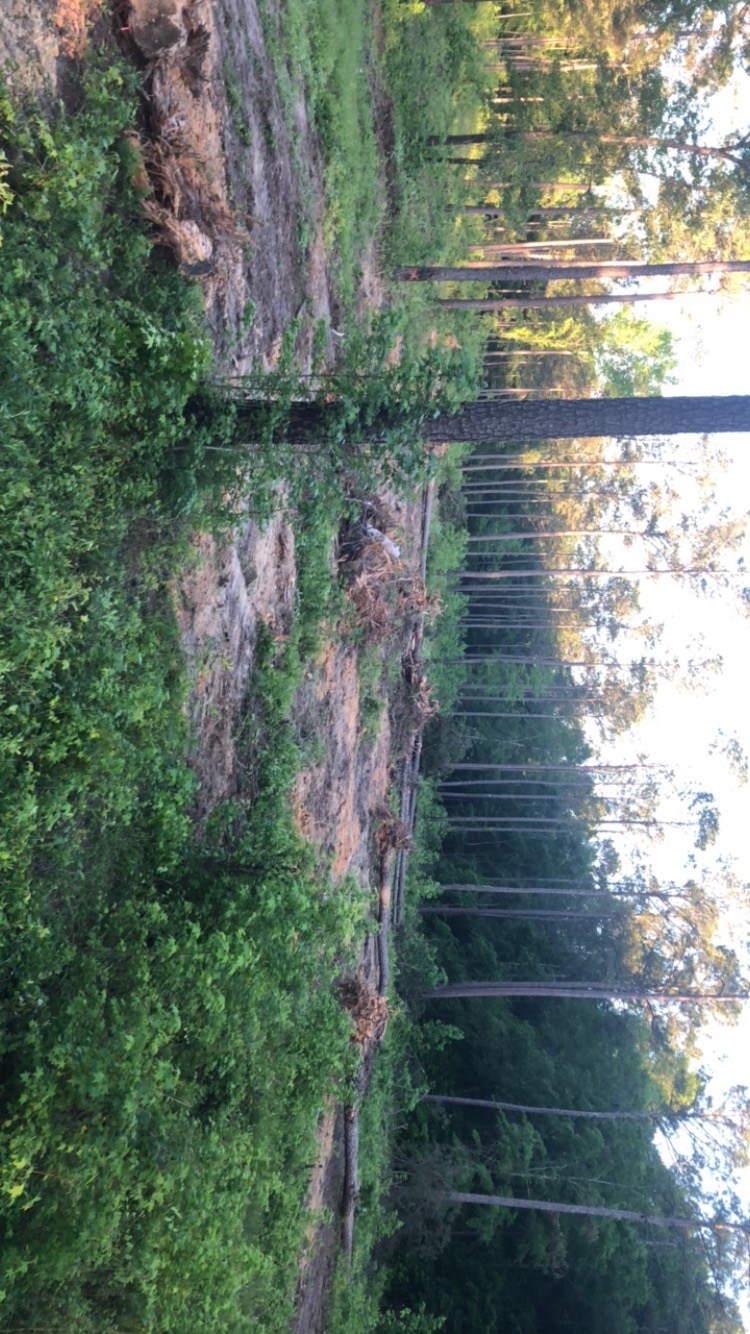
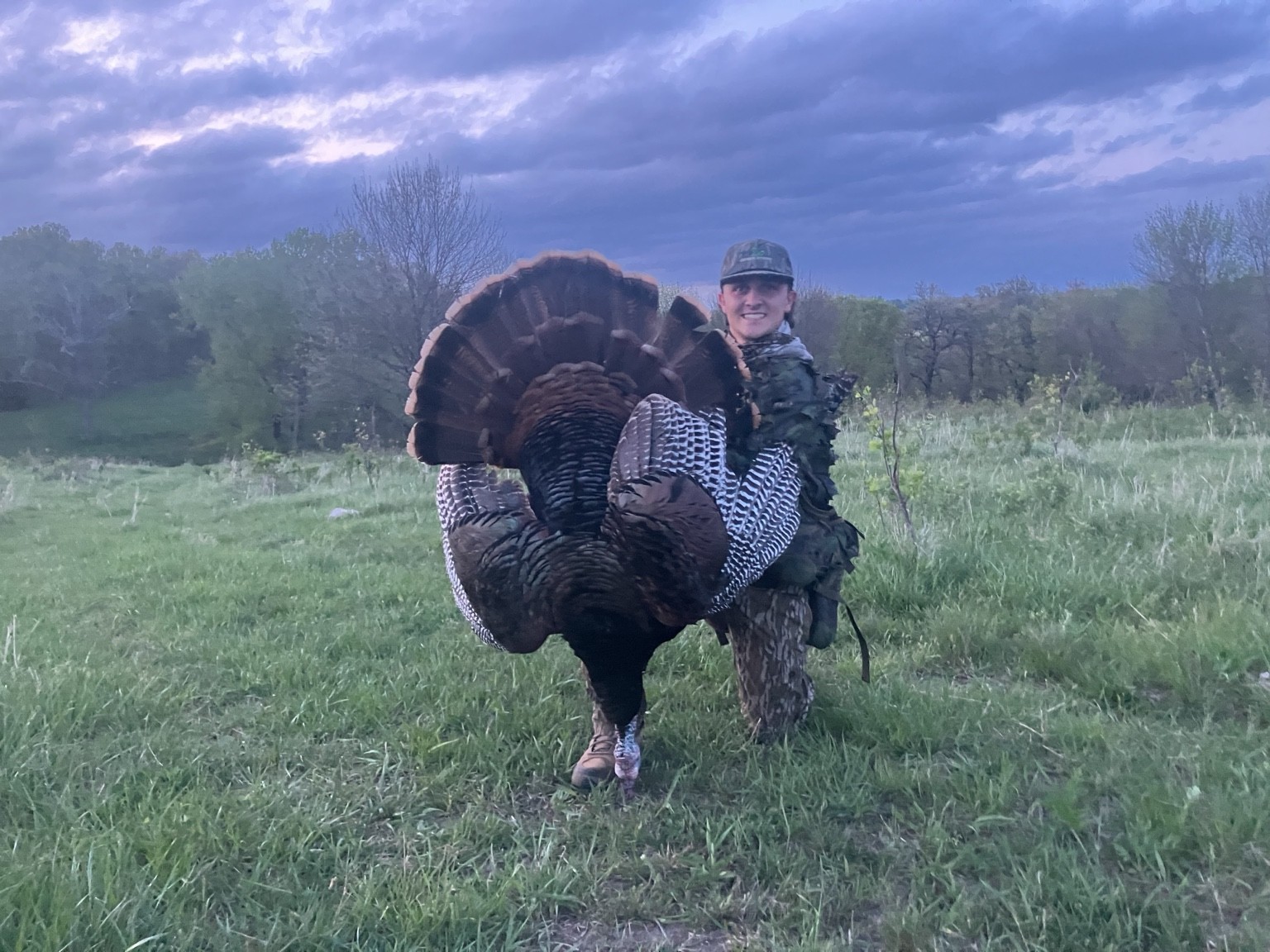
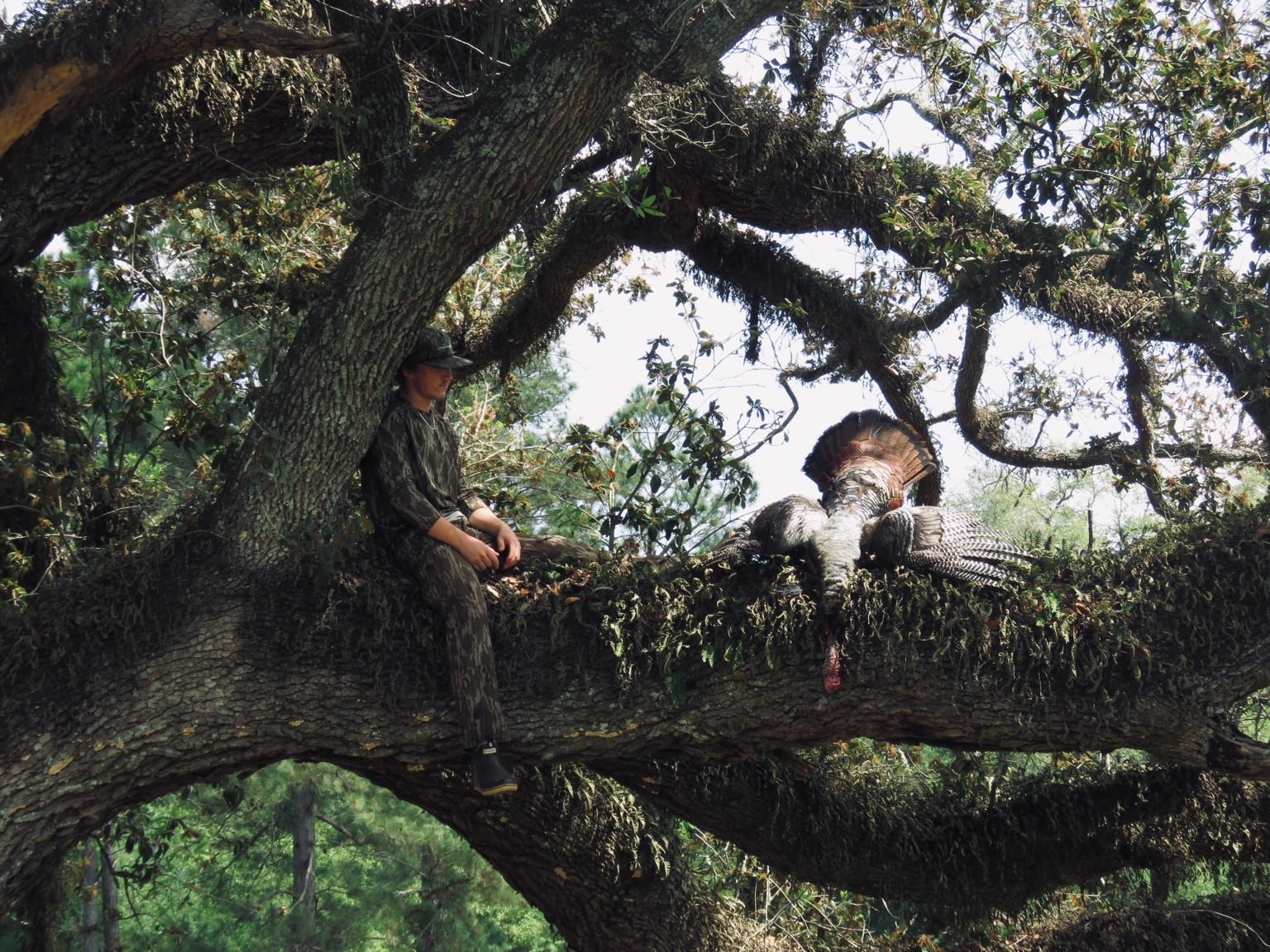
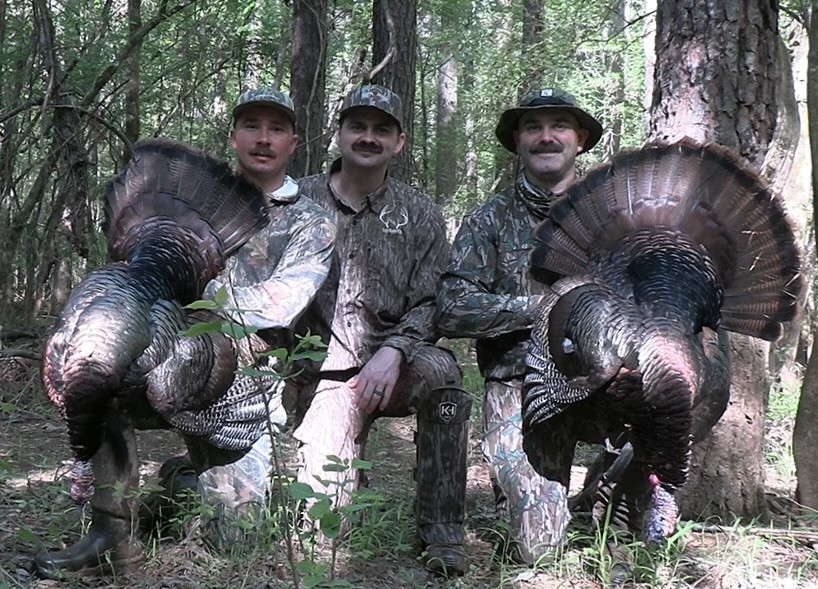
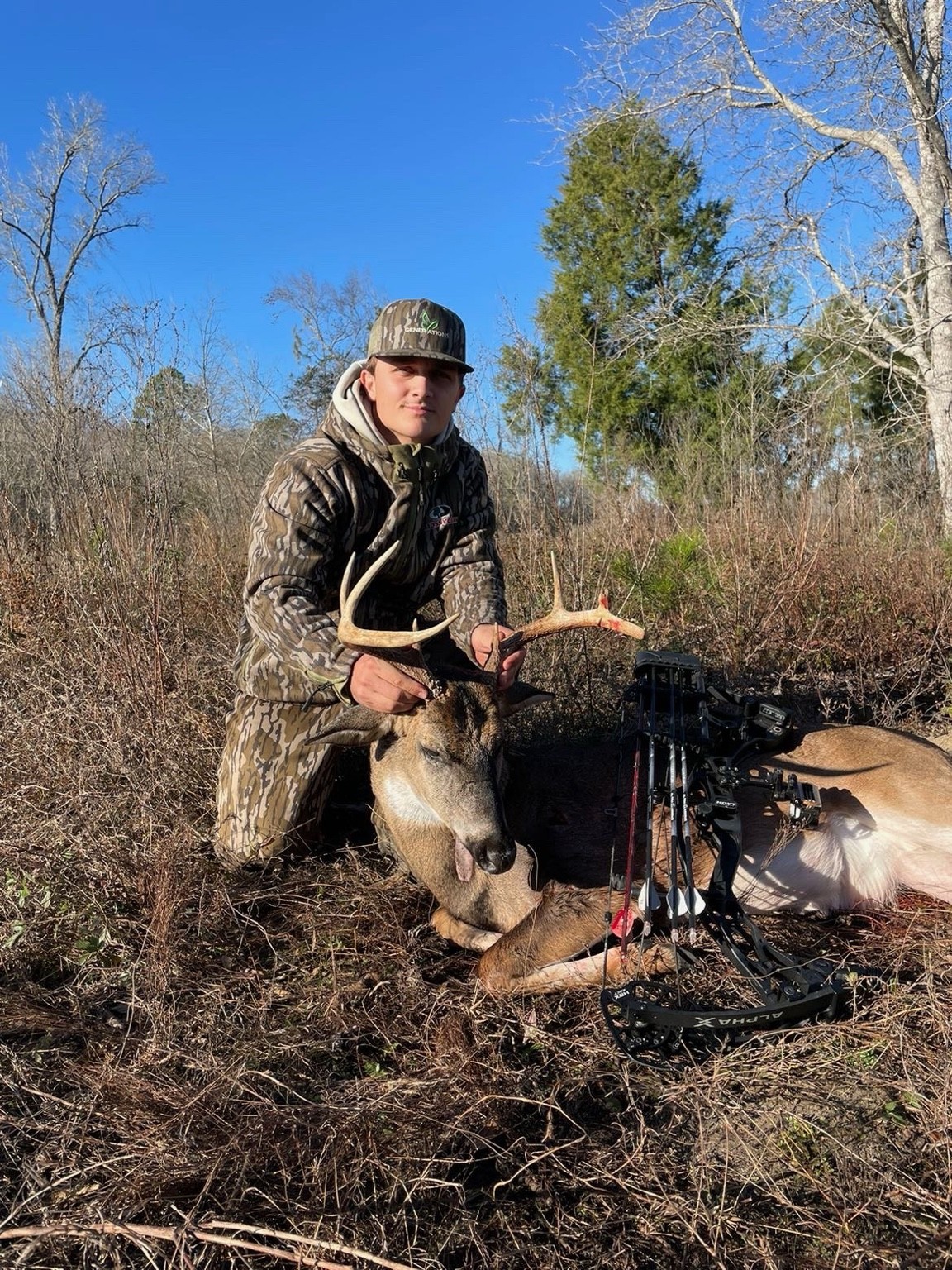
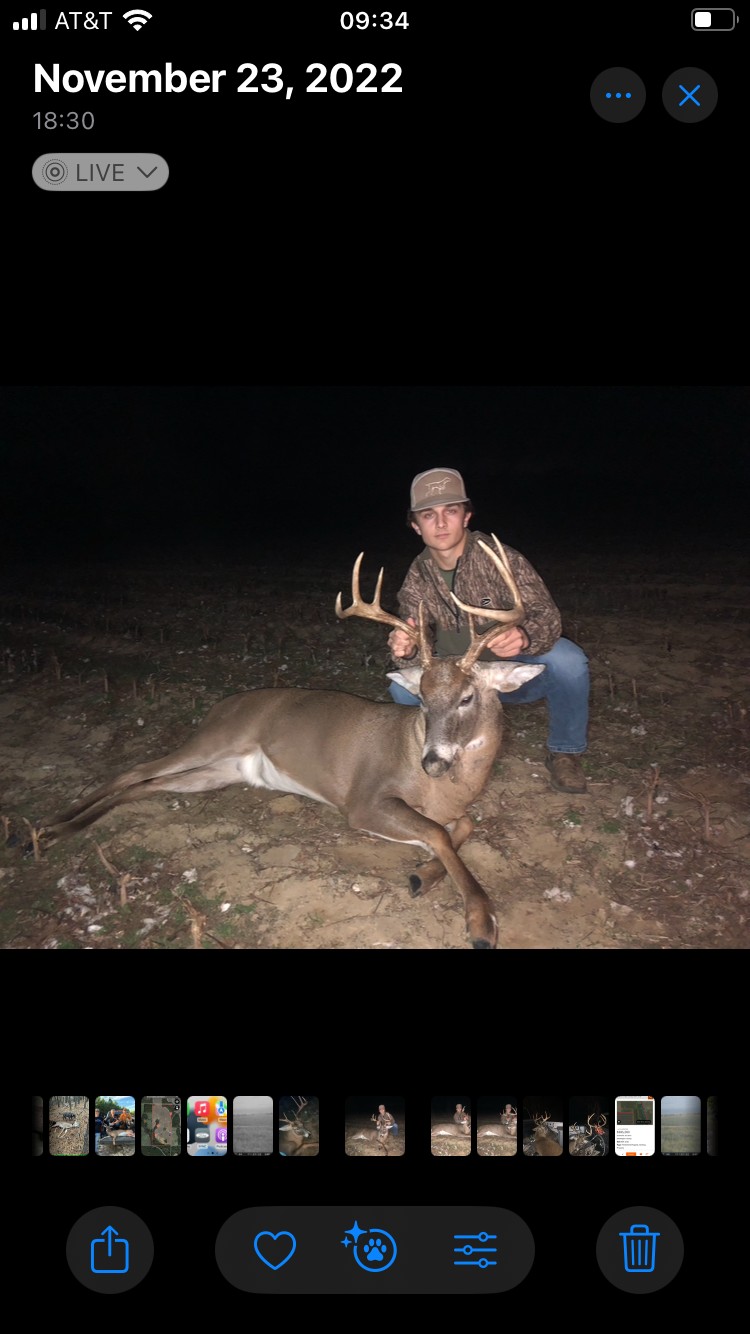
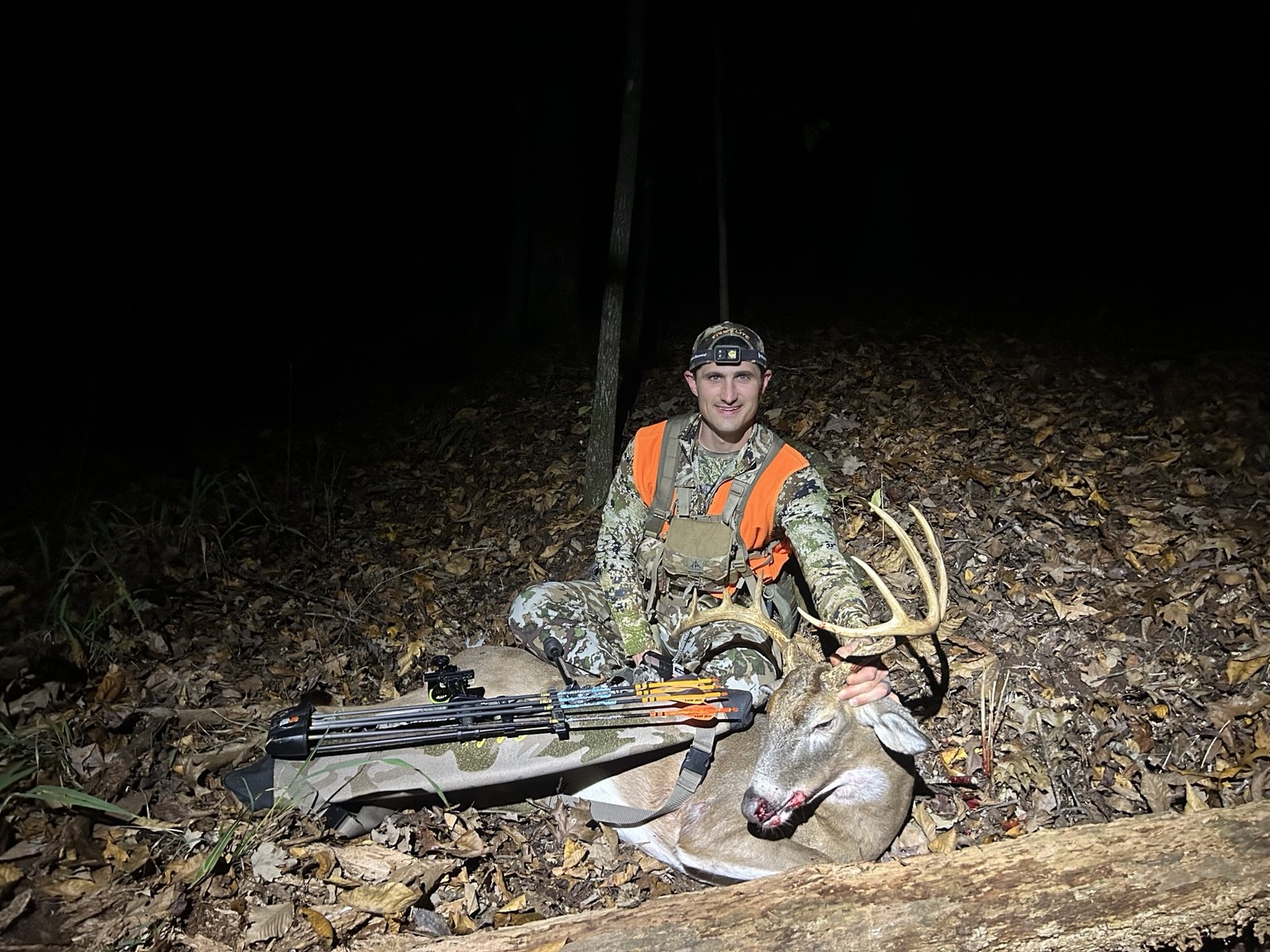
Photos from habitat work, managed properties, wildlife observations, and client results.
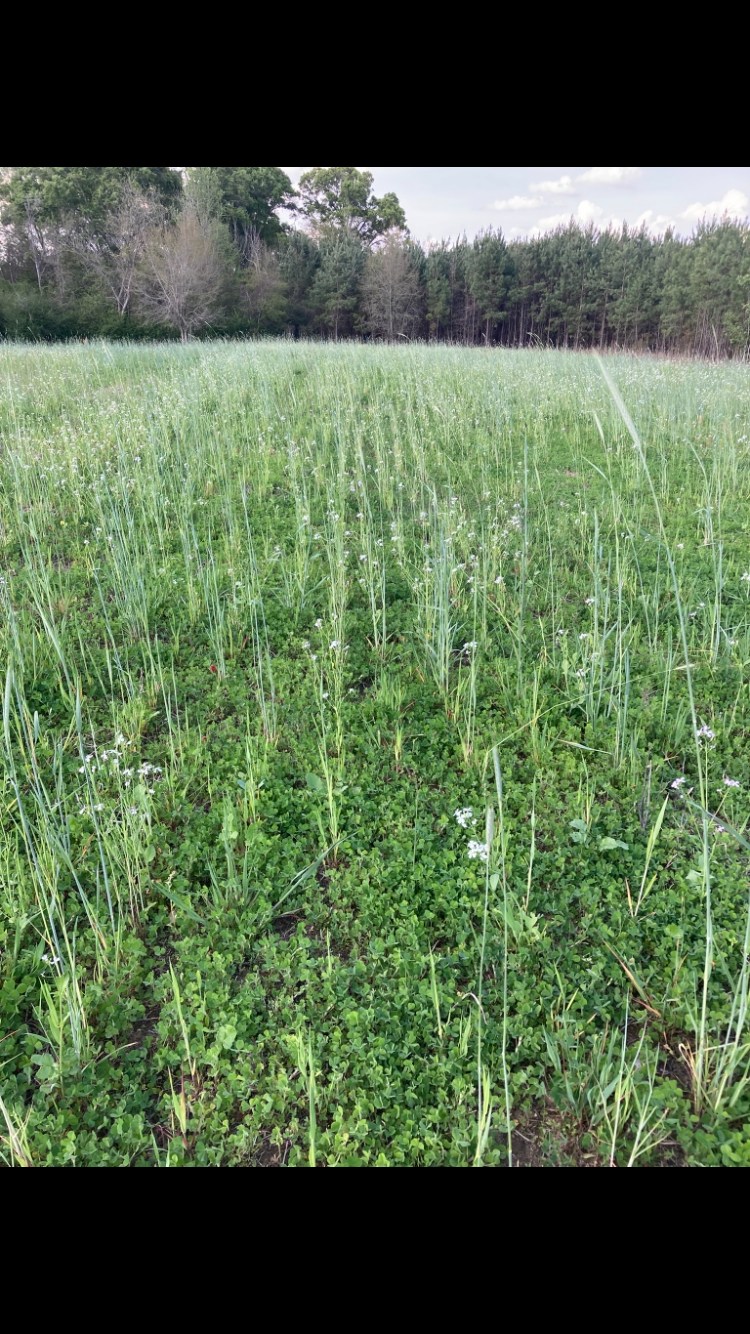
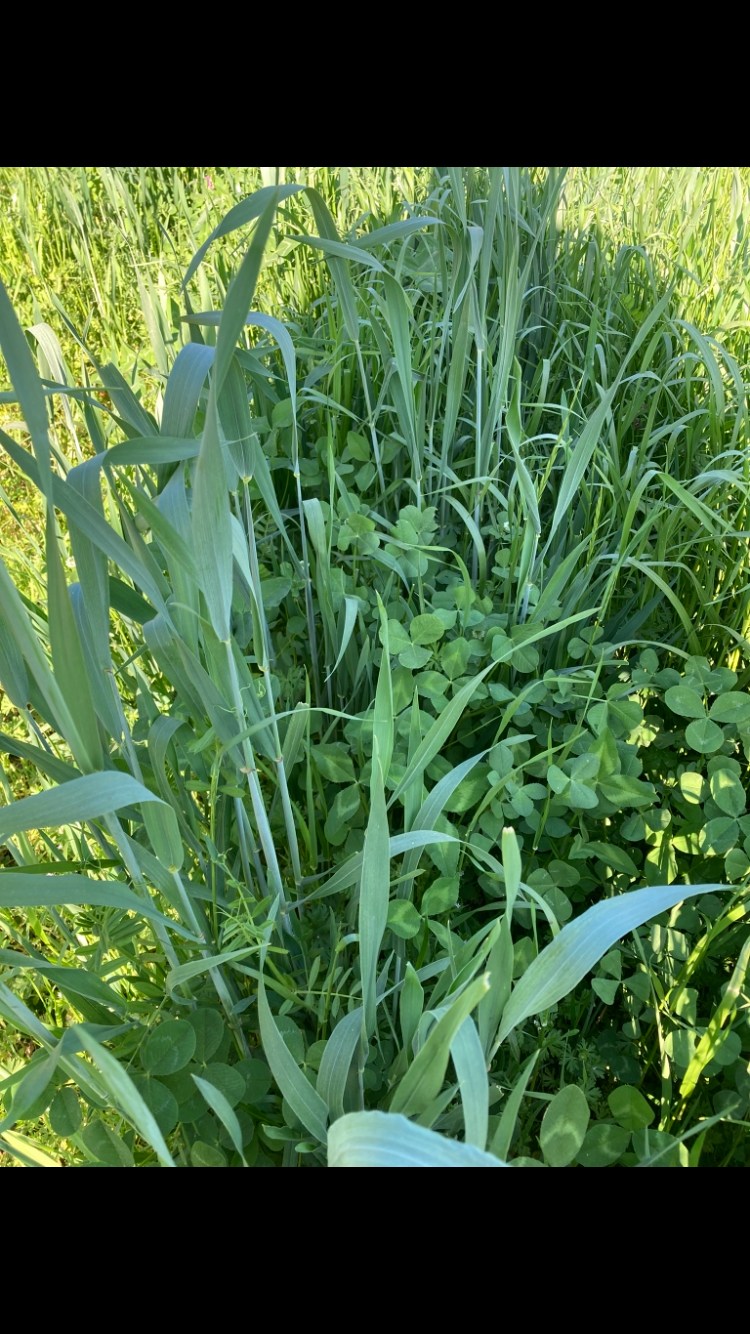
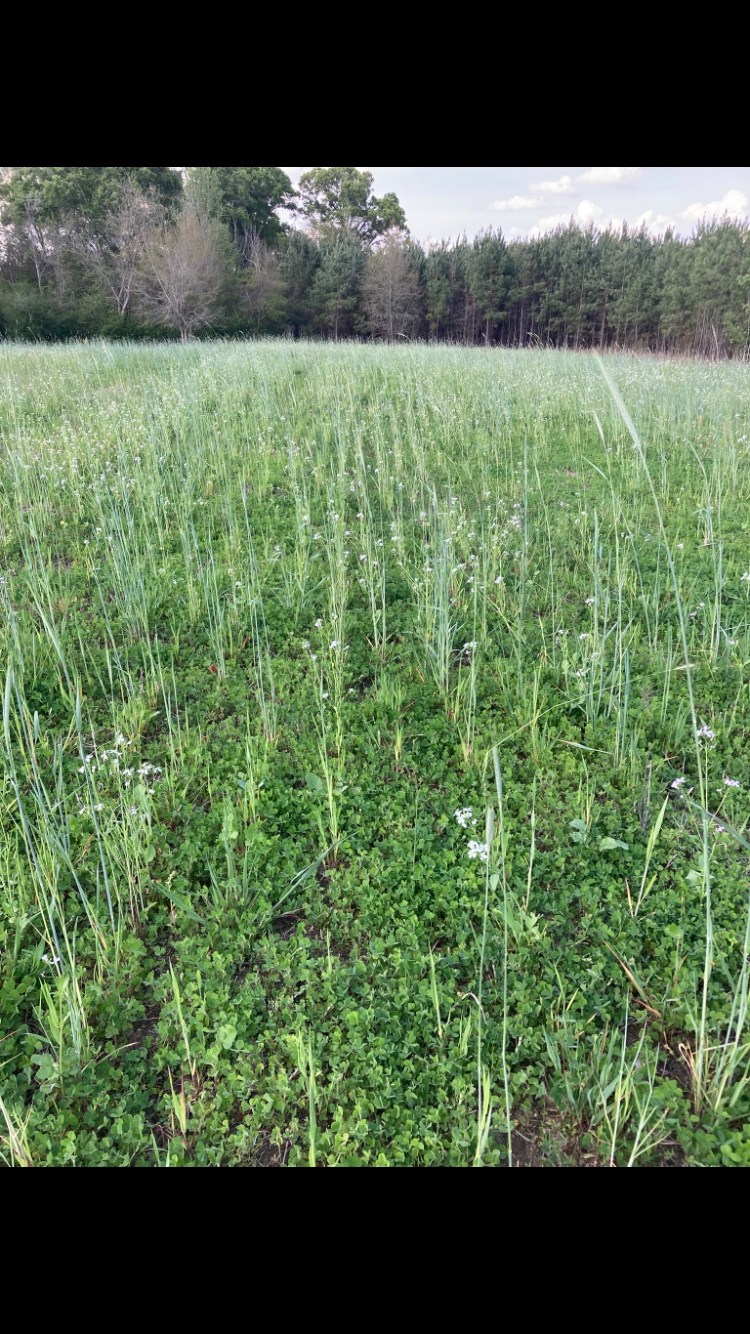
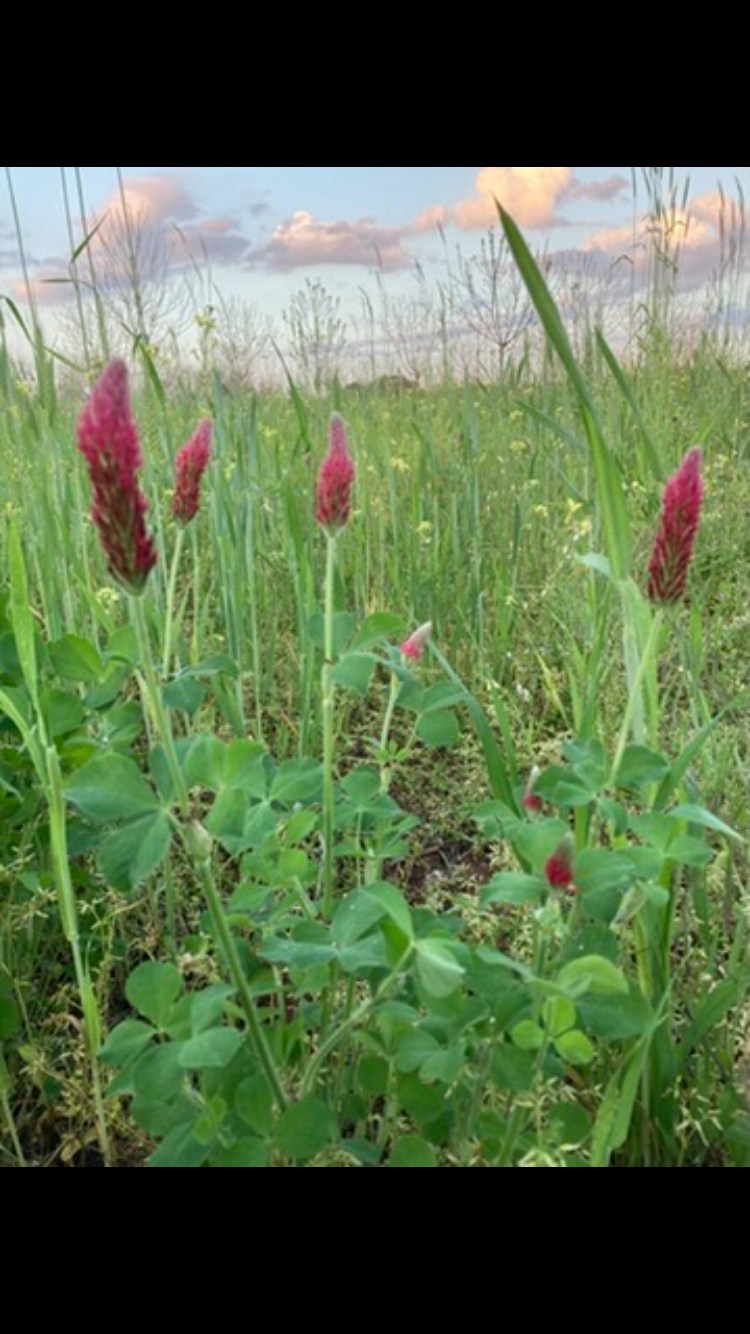
Let's discuss your goals and build a management plan that works for your land.
FAQ
Management can be useful on small recreational tracts and multi-thousand-acre properties. The scope is adjusted to acreage, surrounding land use, budget, equipment, and objectives.
No. We can address one specific need—food plots, deer harvest strategy, turkey habitat, prescribed fire, or herd analysis—or build a complete property-wide plan.
Generation 1 serves landowners throughout Georgia and discusses select projects elsewhere in the Southeast.
Your acreage, county/state, property map if available, current habitat description, recent management history, and the wildlife goals that matter most to you.
CONTACT
Tell us where the property is, how many acres you manage, what you are currently doing, and what you want to improve.